Recently updated | Reviewed by: Korea Medical Tourism Editorial Team
Based on consultations with multiple clinics across Gangnam and Apgujeong, body contouring in Korea has evolved into one of the most sophisticated and competitively priced aesthetic medicine sectors in the world.
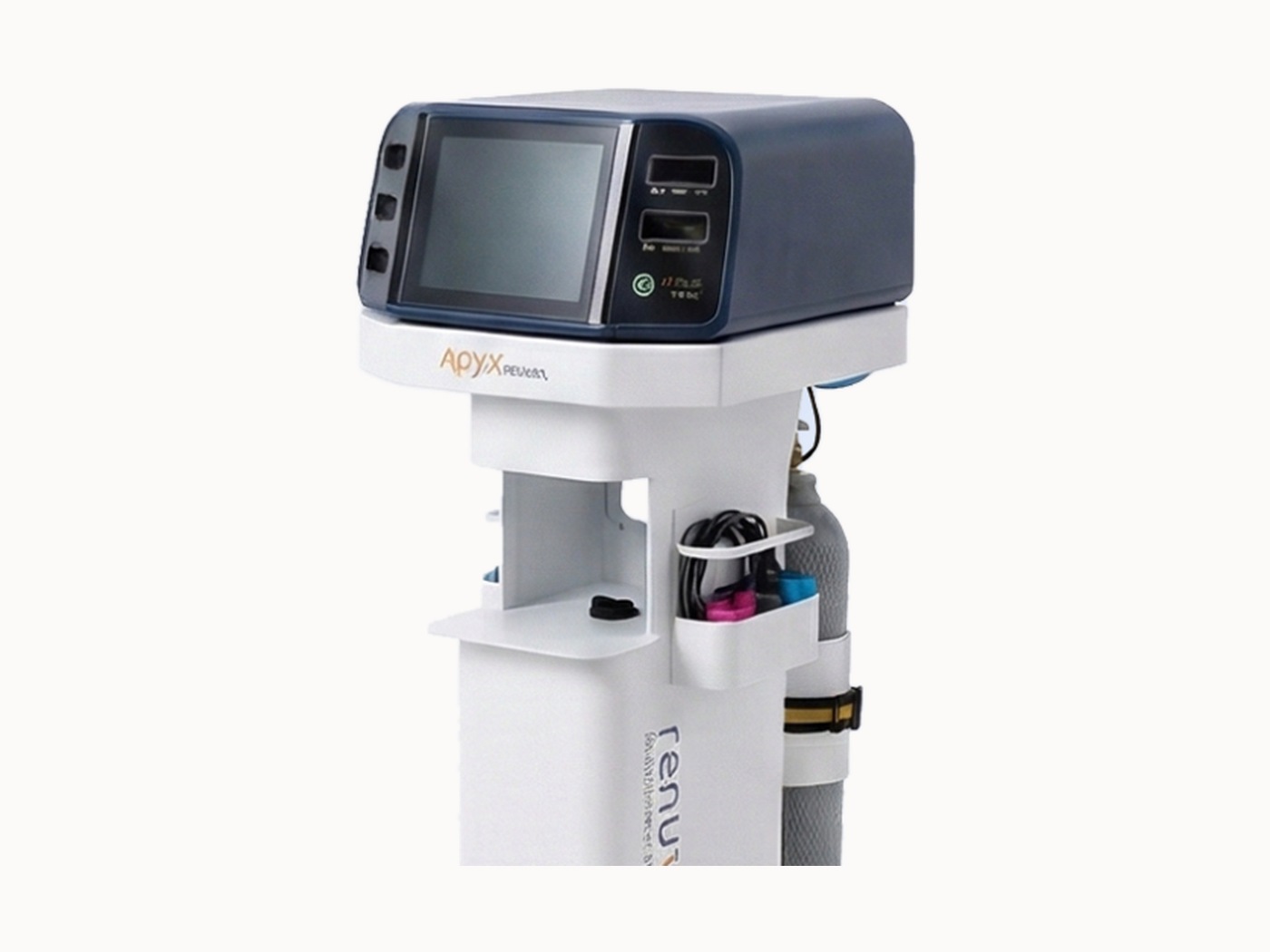
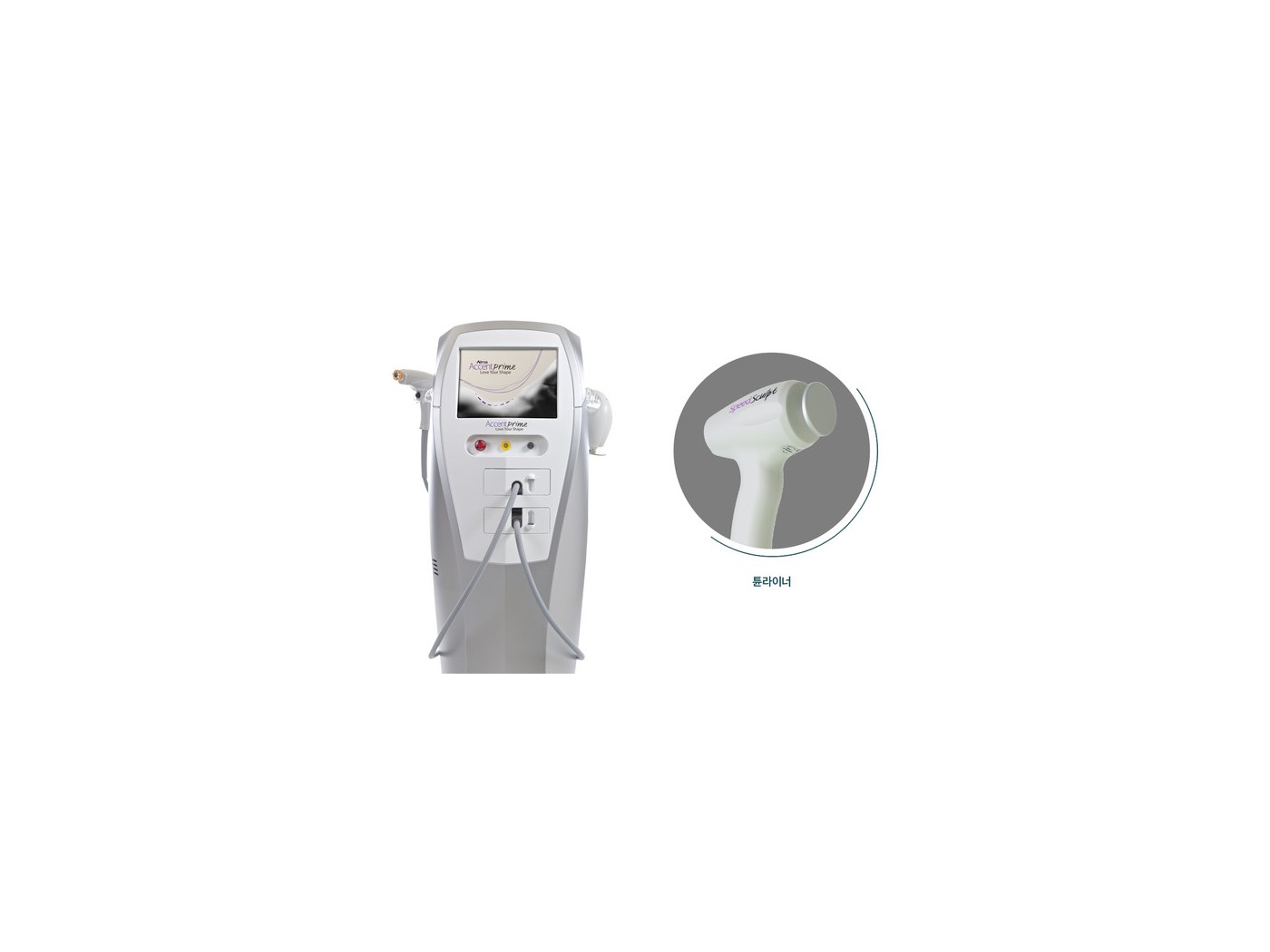
The term body contouring Korea covers a broad spectrum of treatments, from non-invasive fat reduction and skin tightening to surgical liposuction and abdominoplasty. Korean clinics have distinguished themselves by combining cutting-edge imported technology with proprietary treatment protocols developed locally. Patients visiting Korean clinics consistently report that the standard of pre-procedure consultation, multilingual patient coordination, and post-treatment follow-up far exceeds what they experienced in their home countries. Whether you are targeting stubborn abdominal fat, loose skin after weight loss, or overall silhouette refinement, Seoul’s aesthetic landscape offers a treatment pathway calibrated to nearly every body goal and budget.
Understanding Your Body Contouring Options in Korea
Korean clinics offer a tiered menu of body contouring treatments organised loosely by invasiveness. Understanding where each procedure sits on that spectrum helps you plan a realistic itinerary, budget appropriately, and set accurate recovery expectations before you book your flights.
Non-Invasive Fat Reduction
Non-invasive options are the entry point for most international patients exploring body contouring Korea for the first time. Cryolipolysis (fat freezing), HIFU body, radiofrequency (RF) skin tightening, and high-intensity electromagnetic muscle stimulation (HIFEM, commonly marketed as Emsculpt) are the most frequently performed technologies. These treatments require no anaesthesia, carry minimal downtime, and can be stacked across a short clinic visit itinerary. Prices for a single non-invasive session in Seoul typically range from ₩150,000 to ₩600,000 (approximately USD 110–450) depending on the device, treatment area, and clinic tier. Package deals across three to six sessions are widely available and can reduce per-session cost by 20–35%.
Minimally Invasive Body Contouring
Procedures such as injection lipolysis (fat-dissolving injections), thread lifting for the body, and laser-assisted lipolysis (including Smartlipo and Sculpsure variants) occupy the middle tier. These require local anaesthesia, carry a recovery window of three to seven days, and produce more dramatic results than purely surface-level devices. A full abdominal injection lipolysis course of four to six sessions is priced between ₩800,000 and ₩2,500,000 (approximately USD 600–1,900). Laser lipolysis on a single area such as the flanks or inner thighs typically costs ₩1,500,000 to ₩3,500,000 (approximately USD 1,100–2,650).
Surgical Body Contouring
Surgical liposuction, abdominoplasty (tummy tuck), brachioplasty (arm lift), and thigh lift procedures are performed at fully licensed surgical facilities across Gangnam and Sinsa-dong. Korean surgical body contouring is frequently 40–60% less expensive than comparable procedures in the United States or Australia. Tumescent liposuction on two to three areas is priced between ₩3,000,000 and ₩8,000,000 (approximately USD 2,250–6,000). A full abdominoplasty ranges from ₩6,000,000 to ₩15,000,000 (approximately USD 4,500–11,300).
Popular Body Contouring Protocols and Treatment Timelines
Korean clinics have become adept at designing efficient treatment itineraries for international patients who cannot extend their stay beyond one to two weeks. Most non-invasive packages are designed as daily or every-other-day sessions across five to seven days, allowing patients to complete a meaningful course before flying home. Results from cryolipolysis or HIFEM typically become visible four to twelve weeks post-treatment as the body metabolises targeted fat cells or completes muscle remodelling cycles.
One-Week Non-Invasive Itinerary
A typical one-week non-invasive body contouring Korea itinerary might include three HIFEM sessions targeting the abdomen and gluteal region, two RF skin tightening sessions for the flanks and inner thighs, and one HIFU body session for overall tightening. Most patients experience mild muscle soreness and temporary skin warmth. There is no wound care, no compression garment requirement, and no restriction on sightseeing or daily activity. Total cost for a curated one-week package of this type ranges from ₩1,800,000 to ₩4,500,000 (approximately USD 1,350–3,400).
Surgical Patient Timelines
Patients choosing surgical body contouring in Korea are advised to plan a minimum stay of ten to fourteen days. Post-liposuction patients wear compression garments for four to six weeks, with the first two weeks being the most critical for swelling management and lymphatic drainage. Many Gangnam clinics include post-operative lymphatic massage in their surgical packages, a service that accelerates recovery and is standard practice in Korea’s premium aesthetic surgery market. Patients should factor in mandatory post-operative check-ups at day one, day three, and day seven before clearance for long-haul flights is granted.
How Korean Body Contouring Clinics Differ from Global Competitors
The differentiation of body contouring Korea clinics is not solely about price. Korean practitioners invest heavily in device diversity, often operating ten to fifteen different body contouring platforms within a single clinic to allow genuine customisation rather than a one-size-fits-all approach. Staff multilingualism — particularly English, Mandarin, Japanese, and Thai — is a competitive baseline rather than an exception. Dedicated medical tourism coordinators handle airport transfers, translation during consultations, insurance documentation, and even hotel recommendations near the clinic.
Korean aesthetic medicine is governed by rigorous licensing standards enforced by the Korean Ministry of Health and Welfare, whose oversight framework ensures that only licensed physicians may operate invasive devices or perform surgical procedures. Patients are strongly encouraged to verify clinic and physician credentials through official channels before committing to a booking.
What to Know Before You Book
Based on our research across multiple Gangnam clinics, here are five critical points every incoming patient should understand:
1. All-inclusive packages vary significantly in scope. Always confirm in writing whether your quoted price includes consultation fees, anaesthesia, compression garments, post-operative medications, and follow-up appointments.
2. Single-modality treatment may leave visible skin looseness after fat reduction.
3. Medical history disclosure is non-negotiable. Korean clinics require complete medical history documentation including prior surgeries, current medications, and any metabolic conditions. Withholding information can invalidate post-procedure care protocols and may affect outcomes.
4. Realistic result timelines require patience. Non-invasive body contouring Korea results are progressive. The best outcomes from cryolipolysis are assessed at twelve weeks post-treatment. Patients expecting immediate dramatic changes after a single non-invasive session will be disappointed.
5. Travel insurance should explicitly cover aesthetic procedures. Standard travel insurance policies frequently exclude elective cosmetic procedures.
How much does body contouring cost in Korea compared to the US?
Body contouring Korea pricing is typically 40–60% lower than equivalent procedures in the United States for surgical options. Non-invasive treatments show a smaller price gap, usually 20–40% lower than US market rates. A full liposuction procedure in Korea costs approximately ₩3,000,000 to ₩8,000,000 (USD 2,250–6,000) compared to a US average often exceeding USD 6,000 to USD 10,000 for comparable areas and techniques.
Do I need to speak Korean to visit a body contouring clinic in Seoul?
No. The majority of premium clinics in Gangnam and Apgujeong employ full-time English-speaking medical coordinators and many offer multilingual consultation services in Mandarin, Japanese, Thai, and Arabic. It is advisable to confirm language support at your chosen clinic before booking. Many clinics also provide written treatment summaries and consent forms in English upon request.
What is the best non-surgical body contouring treatment available in Korea?
This depends on your specific goal. For fat reduction, cryolipolysis and HIFEM are the most evidence-supported non-surgical options. For skin tightening, HIFU body and RF are considered the gold standard. Korean clinics typically recommend a combined protocol tailored to individual body type and target area rather than a universal single-device approach. A thorough in-person consultation will yield the most accurate personalised recommendation.
How long do I need to stay in Korea for body contouring treatment?
Non-invasive treatment courses can be completed in five to seven days, making them compatible with a standard holiday or short business trip to Seoul. Minimally invasive procedures generally require seven to ten days minimum. Surgical procedures including liposuction or abdominoplasty require a minimum fourteen-day stay to accommodate pre-operative testing, the procedure itself, mandatory post-operative monitoring, and clearance for international travel.
Are body contouring results permanent in Korea?
Fat cells destroyed or removed through body contouring do not regenerate, making results long-lasting provided weight is maintained. However, significant weight gain after treatment can cause remaining fat cells in other areas to enlarge, altering the contoured shape. Korean clinics typically provide structured post-treatment nutrition and lifestyle guidance, and many offer maintenance packages to help patients sustain their outcomes over the long term.
For further reading on specific treatments and clinics, explore these resources from Body Sculpting Korea:.
- Body Sculpting Korea: Complete Patient Guide
- Body Sculpting Korea Cost Breakdown
- Emsculpt Korea Guide for International Patients
- Best Body Sculpting Treatments in Korea
- Korea vs Thailand Body Sculpting Comparison
Medical Disclaimer: This article is for informational purposes only and does not constitute medical advice. Always consult a qualified healthcare professional before undergoing any medical procedure. Individual results and recovery times may vary.
About This Guide: Researched and written by the editorial team at Body Sculpting Korea, a resource dedicated to helping international patients navigate Korea medical tourism with accurate, up-to-date information sourced from official Korean health authorities and direct clinic consultations.
Recommended Reading
- Body Sculpting Before After Korea: Real Results Guide
- Body Sculpting Seoul for Foreigners: Complete Guide
- BSK
External Resources
You may also be interested in:
 HOMMAGEBody Sculpting · Women's Care