This guide examines the complete landscape of body sculpting options available in Korea, from non-invasive fat reduction to comprehensive surgical procedures, helping international patients understand costs, safety standards, recovery timelines, and why Korea has become a premier destination for body transformation treatments.
Understanding Body Sculpting Procedures in Korea
Korean body sculpting encompasses both surgical and non-surgical approaches designed to remove stubborn fat deposits, tighten skin, and reshape body contours. The Korean approach emphasizes natural proportions rather than extreme transformations, aligning with the broader aesthetic philosophy prevalent throughout Korean plastic surgery. Clinics categorize treatments based on invasiveness, downtime, and the extent of correction needed.
Surgical Body Contouring Options
Liposuction remains the gold standard for significant fat removal in Korea, with Korean plastic surgeons performing advanced techniques including tumescent liposuction, power-assisted liposuction (PAL), and ultrasound-assisted liposuction (UAL). Research published in PubMed indicates that ultrasound-assisted liposuction can provide more uniform fat removal with reduced trauma to surrounding tissues compared to traditional methods. Korean surgeons typically combine multiple liposuction techniques during a single procedure to optimize results across different body areas. Related:
Body lifts address excess skin following significant weight loss or pregnancy. Korean plastic surgeons perform lower body lifts, thigh lifts, arm lifts (brachioplasty), and circumferential body lifts for comprehensive reshaping. These procedures involve longer incisions and recovery periods but deliver dramatic improvements when non-surgical treatments cannot address skin laxity.
Non-Surgical Fat Reduction Technologies
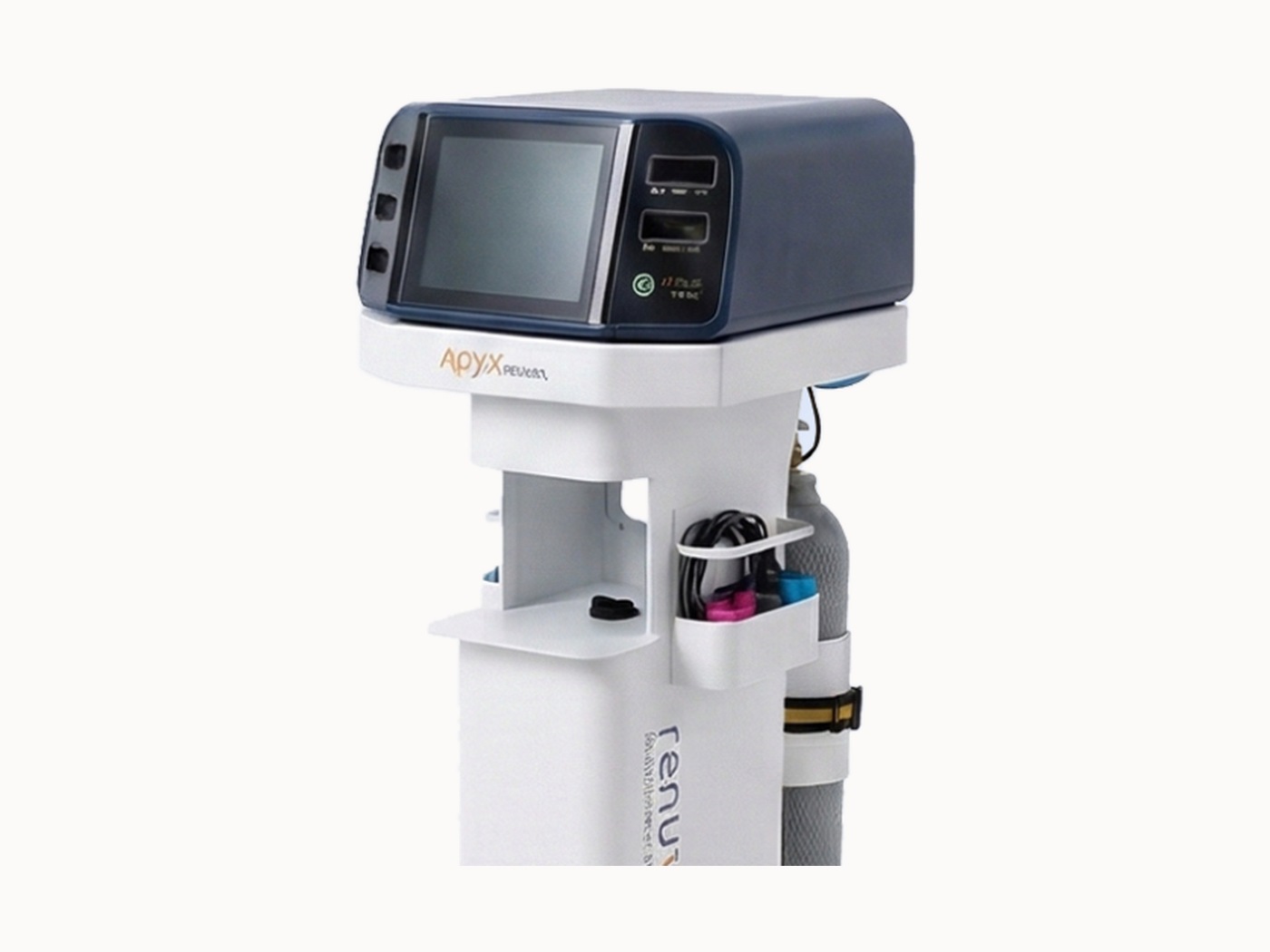
Korean clinics offer extensive non-invasive body sculpting options utilizing FDA-cleared and KFDA-approved devices. Cryolipolysis (fat freezing) targets localized fat deposits through controlled cooling, destroying fat cells that the body naturally eliminates over subsequent weeks. Treatment sessions last 35-60 minutes per area, with results appearing gradually over 2-3 months.
High-Intensity Focused Ultrasound (HIFU) for body contouring delivers focused ultrasound energy to destroy fat cells at specific depths without damaging surrounding tissue. Korean clinics commonly use HIFU for abdominal contouring, flanks, and thighs, with patients experiencing minimal discomfort and no downtime.
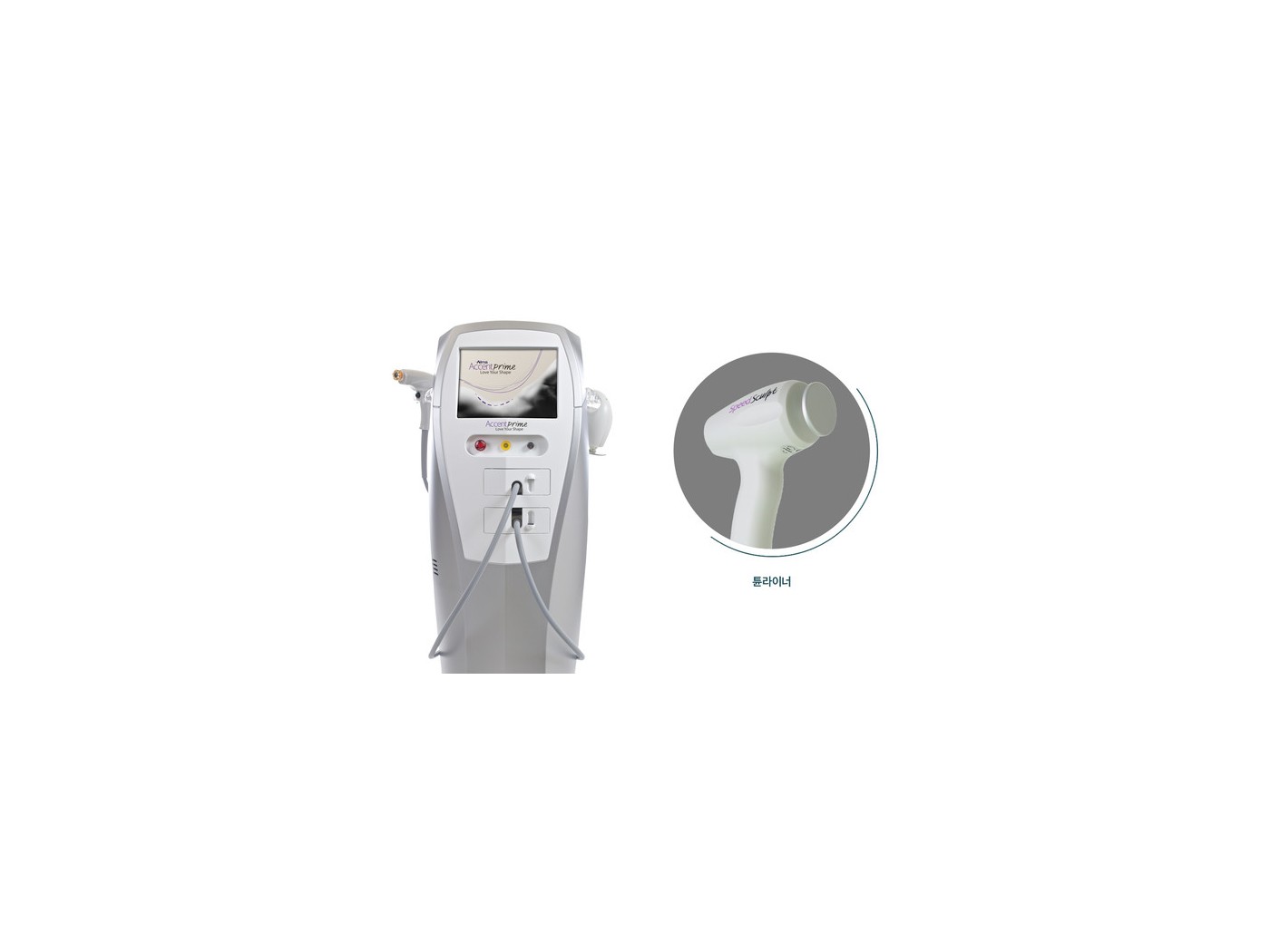
Radiofrequency (RF) treatments combine fat reduction with skin tightening by heating tissue layers to stimulate collagen production while disrupting fat cells. Multiple sessions typically achieve optimal results, with Korean clinics offering package deals for comprehensive treatment plans. Studies in aesthetic medicine journals demonstrate RF effectiveness for mild to moderate body contouring with sustained skin tightening effects.
Injectable lipolysis using deoxycholic acid or phosphatidylcholine dissolves small fat deposits through a series of injections. Korean dermatologists and plastic surgeons frequently use these injections for double chin reduction and small localized fat pockets resistant to diet and exercise. Treatment protocols typically involve 2-4 sessions spaced 4-6 weeks apart.
Popular Body Sculpting Areas and Combination Treatments
Korean body sculpting protocols target specific anatomical areas where fat deposits commonly resist diet and exercise. Clinics develop customized treatment plans combining multiple modalities to address patient concerns comprehensively.
Abdominal and Core Sculpting
Abdominal contouring represents the most requested body sculpting procedure among international patients in Korea. Treatments range from non-invasive fat reduction for mild concerns to full abdominoplasty (tummy tuck) with muscle repair for significant corrections. Korean surgeons assess diastasis recti (abdominal muscle separation), fat volume, skin quality, and patient goals to recommend appropriate interventions.
Combination treatments often pair liposuction with RF skin tightening or HIFU to maximize results while minimizing surgical invasiveness. For patients with good skin elasticity, liposuction alone achieves dramatic improvements. When skin laxity exists, surgeons recommend abdominoplasty to remove excess skin and tighten abdominal muscles simultaneously.
Thigh and Buttock Contouring
Lower body sculpting addresses inner thighs, outer thighs (saddlebags), and buttock shape through strategic fat removal and augmentation. Korean surgeons perform thigh liposuction to create thigh gaps and smoother contours while preserving natural curves. Outer thigh contouring reduces hip width for a more balanced silhouette.
Brazilian Butt Lift (BBL) procedures in Korea transfer autologous fat harvested via liposuction to enhance buttock volume and projection. Korean plastic surgeons emphasize natural-looking results proportional to the patient’s frame, contrasting with more dramatic augmentations popular in other markets. Safety protocols follow international guidelines established by plastic surgery associations to minimize complications associated with fat grafting.
Non-surgical buttock enhancement using HIFU or RF devices provides mild lifting and tightening for patients seeking subtle improvements without surgery or downtime.
Arm and Back Sculpting
Upper arm contouring addresses both fat deposits and skin laxity through liposuction, brachioplasty, or combination approaches. Korean surgeons carefully plan incision placement along the inner arm to minimize visible scarring. Non-surgical options include cryolipolysis or RF treatments for mild fat reduction without incisions.
Back contouring targets bra bulge, love handles, and lower back rolls through liposuction or non-invasive fat reduction. Many patients combine back liposuction with abdominal or thigh procedures for comprehensive torso reshaping. Korean surgeons employ 360-degree liposuction techniques to create smooth transitions between treated areas.
Male Body Sculpting
Male body contouring in Korea addresses gynecomastia (male breast reduction), abdominal definition, and chest sculpting. Korean plastic surgeons perform gynecomastia surgery through minimal incisions, removing excess glandular tissue and fat to create a flatter, more masculine chest contour. High-definition liposuction for men focuses on enhancing natural muscle definition in the abdomen, chest, and arms.
Male patients typically require different techniques than female patients due to denser fat composition and skin characteristics. Korean surgeons adjust treatment parameters accordingly to optimize outcomes for male physiology.
Cost Analysis and Value Comparison
Body sculpting costs in Korea offer significant savings compared to Western countries while maintaining high quality standards and advanced technology. Price variations depend on procedure complexity, clinic location, surgeon experience, and technology used.
Surgical Procedure Pricing
Liposuction costs in Korea range from $2,000-$5,000 for single-area treatment, compared to $5,000-$10,000 in the United States. Multiple-area liposuction typically costs $4,000-$8,000, representing 40-60% savings versus comparable US procedures. High-definition liposuction ranges from $5,000-$10,000 depending on the number of areas treated and complexity of muscle definition desired.
Abdominoplasty procedures cost $5,000-$9,000 in Korea versus $10,000-$18,000 in Western countries. Extended abdominoplasty addressing flanks and back costs $7,000-$12,000. These prices typically include surgeon fees, anesthesia, facility costs, and basic post-operative garments.
Thigh lift procedures range from $4,000-$7,000, while arm lifts cost $3,000-$5,000. Brazilian Butt Lift procedures including fat grafting cost $6,000-$10,000, incorporating liposuction of donor areas and buttock augmentation..
Non-Surgical Treatment Pricing
Cryolipolysis sessions cost $300-$600 per area, with multiple areas discounted in package deals. Complete abdominal treatment requiring 4-6 applicators costs $1,500-$3,000 total. Korean clinics frequently offer promotional packages significantly reducing per-session costs.
HIFU body contouring ranges from $500-$1,200 per session depending on treatment area size. Full abdominal treatment typically requires 1-2 sessions for optimal results. RF body treatments cost $200-$500 per session, with treatment packages of 4-6 sessions recommended for sustained results.
Injectable lipolysis treatments cost $300-$600 per session for small areas like the double chin, with most patients requiring 2-4 treatments. These prices represent substantial savings compared to equivalent treatments in the US, UK, or Australia.
Value Considerations Beyond Price
Korean body sculpting value extends beyond direct cost savings. Many clinics include comprehensive consultations with 3D imaging, detailed surgical planning, post-operative care visits, compression garments, and medications in quoted prices. International patient coordinators provide English-language support throughout the treatment journey, from initial inquiry through recovery monitoring.
Gangnam and Apgujeong clinics often feature state-of-the-art facilities with advanced body composition analyzers, 3D body scanners, and the latest FDA and KFDA-approved technologies. High patient volumes allow Korean surgeons to develop extensive experience with specific procedures, potentially improving outcomes and reducing complication rates.
Safety Standards and Medical Regulations
Korea maintains rigorous medical standards overseen by the Ministry of Health and Welfare (MOHW) and enforced through regular clinic inspections and physician licensing requirements. Understanding the regulatory framework helps international patients select safe, qualified providers.
Physician Qualifications and Board Certification
Korean plastic surgeons must complete medical school, general surgery residency training, and specialized plastic surgery residency (typically 4 years) before practicing independently. Board certification through the Korean Association of Plastic Surgeons (KAPS) requires passing comprehensive examinations demonstrating surgical competency and ongoing continuing education.
International patients should verify surgeon credentials including medical school graduation, residency completion, board certification status, and membership in professional organizations like KAPS or the Korean Association of Medical Aesthetics (KAMA). Reputable clinics provide surgeon credentials transparently and welcome verification inquiries.
Facility Accreditation and Standards
The MOHW licenses all medical facilities performing surgical procedures, requiring compliance with safety standards for operating rooms, sterilization protocols, emergency equipment, and anesthesia delivery. Clinics performing body contouring surgery must maintain accredited surgical facilities with proper ventilation, monitoring equipment, and emergency protocols.
International accreditation from organizations like Joint Commission International (JCI) provides additional verification of quality standards, though many excellent Korean clinics operate under MOHW licensing without pursuing international accreditation. Patient reviews, facility tours, and consultation interactions help assess clinic quality beyond formal accreditations.
Anesthesia Safety Protocols
Pre-operative health assessments including blood work, ECG, and chest X-rays identify potential anesthesia risks. Patients with significant health conditions undergo additional cardiac or medical clearance before surgery approval. Conservative anesthesia protocols prioritize patient safety over convenience or cost considerations.
Post-Operative Care and Complication Management
Reputable Korean clinics provide structured post-operative care including scheduled follow-up appointments, 24-hour emergency contact numbers, and clear complication management protocols. Surgeons typically see patients 1-2 days post-surgery, at 1 week, 1 month, and 3 months to monitor healing and address concerns.
Recovery Timelines and Post-Operative Expectations
Recovery experiences vary significantly based on procedure invasiveness, individual healing rates, and adherence to post-operative protocols. Understanding realistic recovery timelines helps international patients plan travel and work schedules appropriately.
Surgical Recovery Guidelines
Liposuction recovery involves wearing compression garments continuously for 4-6 weeks to minimize swelling and support skin retraction. Most patients experience peak swelling at 3-5 days post-surgery, with bruising resolving within 2-3 weeks. Light activities resume within 3-5 days, while exercise restrictions last 4-6 weeks depending on treatment extent.
International patients should plan to remain in Korea for 7-10 days post-liposuction to attend follow-up appointments and ensure proper healing before international travel. Flying within 3-5 days post-surgery increases thrombosis risks and should be avoided when possible.
Abdominoplasty requires more extensive recovery with movement restrictions lasting 2-3 weeks. Patients experience tightness and discomfort requiring pain medication for the first week. Compression garments support surgical areas for 6-8 weeks post-operatively. Most patients resume desk work within 2-3 weeks but avoid strenuous activities for 6-8 weeks.
International patients undergoing abdominoplasty should plan 10-14 day stays in Korea for initial recovery and follow-up appointments before traveling home. Some surgeons recommend delaying international flights until drain removal, typically 1-2 weeks post-surgery.
Body lift procedures involve the longest recovery periods, with initial restrictions lasting 3-4 weeks and full recovery extending 3-6 months. International patients require 2-3 week stays for these extensive procedures, though individual circumstances may necessitate longer monitoring.
Non-Surgical Recovery Considerations
Non-invasive body sculpting treatments involve minimal downtime, with most patients resuming normal activities immediately. Cryolipolysis causes temporary redness, numbness, and mild swelling resolving within hours to days. Some patients experience delayed tenderness 3-5 days post-treatment lasting several days.
HIFU treatments may cause temporary redness and warmth lasting several hours. Mild swelling and tenderness occasionally occur but resolve quickly without intervention. Patients typically schedule multiple treatment sessions over several weeks, requiring flexible travel planning.
RF body treatments involve no downtime, with patients resuming all activities immediately. Treatment areas may appear slightly pink immediately after sessions but normalize within hours. Package treatments require weekly or biweekly sessions for optimal results.
Injectable lipolysis causes swelling, redness, and tenderness lasting 3-7 days following treatments. Multiple treatment sessions spaced 4-6 weeks apart require extended time commitments or multiple trips to Korea.
Optimizing Recovery and Final Results
Korean clinics provide detailed post-operative instructions including compression garment wear, activity restrictions, wound care, medication schedules, and follow-up appointment timing. Adherence to these protocols significantly impacts healing quality and final aesthetic outcomes.
Lymphatic drainage massage, offered by many Korean clinics, reduces swelling and promotes healing following surgical body contouring. Sessions typically begin 1-2 weeks post-surgery and continue for several weeks to optimize contour refinement.
Final body sculpting results emerge gradually as swelling resolves and tissues settle into final positions. Liposuction results become apparent within 6-12 weeks, with continued improvements through 6 months as skin contracts. Surgical body lifts show progressive improvement over 6-12 months as incision lines mature and swelling fully resolves.
Weight stability is crucial for maintaining body sculpting results. Significant weight fluctuations after procedures can compromise outcomes, requiring patients to maintain healthy lifestyle habits following treatment.
Choosing the Right Clinic and Surgeon
Selecting qualified providers from Korea’s extensive aesthetic medicine market requires careful research and evaluation of multiple factors beyond price considerations.
Surgeon Selection Criteria
Board certification through KAPS represents the minimum qualification for plastic surgeons performing body contouring procedures. Review surgeon training backgrounds, including residency completion at reputable teaching hospitals and any fellowship training in body contouring subspecialties.
Procedure-specific experience matters significantly for optimal outcomes. Surgeons performing high volumes of specific procedures develop refined techniques and better complication management skills. Request before-and-after photos of previous patients with similar body types and treatment goals to assess aesthetic style alignment. Patients often consider
Communication quality during consultations provides insights into surgeon approach and patient care philosophy. Surgeons should listen to patient concerns, provide realistic outcome expectations, discuss potential complications honestly, and answer questions thoroughly. Rushed consultations or pressure tactics indicate potential red flags.
Clinic Evaluation Factors
Facility quality assessment includes examining operating room standards, sterilization protocols, emergency equipment availability, and staff qualifications. Modern clinics in Gangnam and Apgujeong typically feature state-of-the-art facilities, though smaller clinics may offer excellent care with less elaborate surroundings.
International patient services including English-speaking coordinators, translation services, and travel assistance facilitate treatment planning and recovery support for foreign patients. Comprehensive service packages often include airport pickup, accommodation assistance, and post-operative care coordination.
Clinic reputation through patient reviews,
 HOMMAGEBody Sculpting · Women's Care