When it comes to achieving transformative body sculpting results Korea hospital settings consistently deliver outcomes that surpass global expectations. From non-invasive fat reduction to advanced lipolysis technologies, Korean medical facilities have built a worldwide reputation for precision, safety, and measurable results.
Why Korea Leads the World in Body Sculpting Outcomes
South Korea’s aesthetic medicine industry is not simply a trend — it is a deeply institutionalized medical ecosystem. According to the Korean Ministry of Health and Welfare, the country performs over 1 million aesthetic procedures annually, with body contouring accounting for a significant and growing share. Korean dermatologists and plastic surgeons routinely attend international conferences, adopt cutting-edge technologies ahead of other markets, and operate under rigorous licensing standards enforced by the Korean Medical Association.
This level of expertise, combined with competition among hundreds of accredited clinics in Seoul’s Gangnam district alone, drives continuous innovation and keeps pricing competitive for international visitors.
HIFU (High-Intensity Focused Ultrasound)
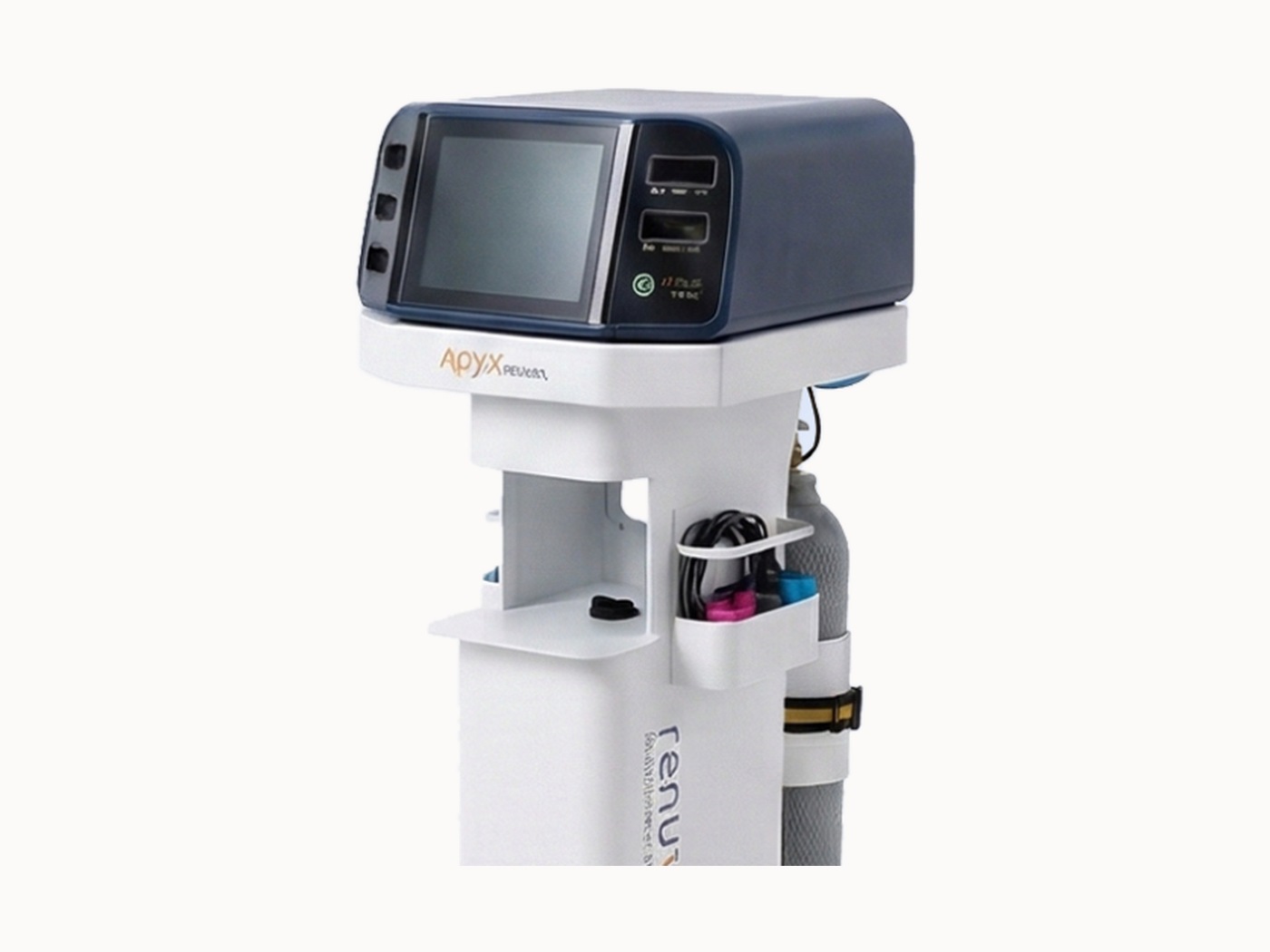
HIFU is one of the most sought-after treatments for patients seeking non-surgical fat reduction and skin tightening simultaneously. Korean hospitals use advanced HIFU systems that target multiple tissue depths in a single session. Average treatment pricing ranges from ₩400,000 to ₩1,200,000 (approximately $290–$870 USD) depending on the treatment area and device used. Results typically become fully visible within 8–12 weeks as collagen remodeling progresses.
CoolSculpting and Cryolipolysis
Cryolipolysis, commercially known as CoolSculpting, remains a top performer in Korean body sculpting clinics. Hospitals in Korea often use multiple applicators simultaneously, reducing total treatment time while targeting several fat pockets in one session. Prices typically range from ₩300,000 to ₩900,000 per applicator ($215–$650 USD). Studies published in peer-reviewed journals suggest a 20–25% fat reduction in the treated area per session, and Korean clinics frequently offer two-session packages for enhanced outcomes.
Lipolaser and Body Contouring Lasers
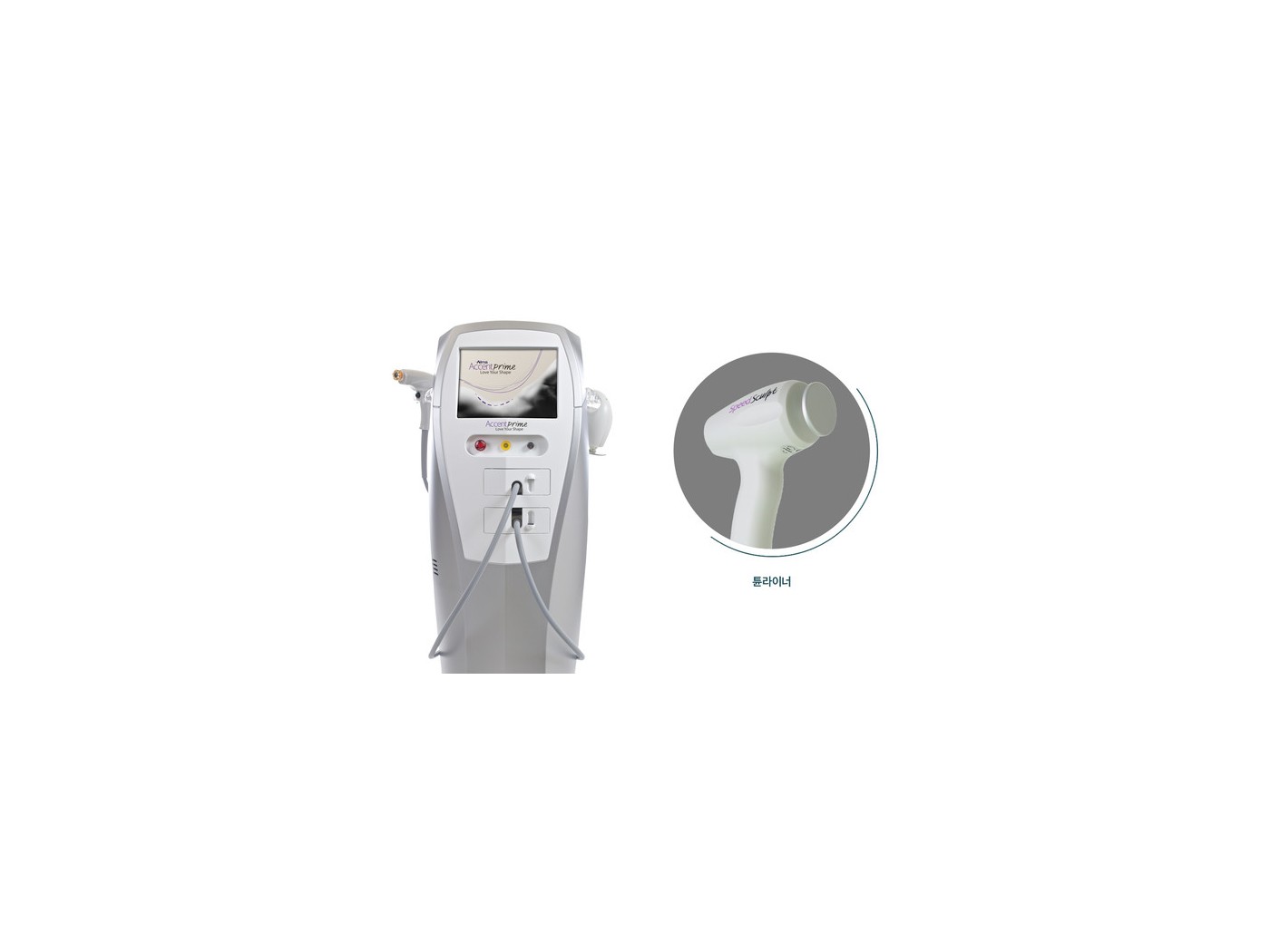
Laser lipolysis devices such as Sculpsure and proprietary Korean equivalents use controlled heat to destroy fat cells permanently. Korean hospitals are known for combining lipolaser with lymphatic drainage massage post-treatment, accelerating results and minimizing downtime. Treatment costs range from ₩500,000 to ₩2,000,000 ($360–$1,450 USD) per zone. Most patients see visible results within 6–12 weeks.
EMSculpt and Muscle-Building Technologies
For patients wanting both fat reduction and muscle definition, EMSculpt-type devices using high-intensity electromagnetic energy are widely available at Korean hospitals. A typical session package of 4 treatments costs between ₩1,200,000 and ₩2,500,000 ($870–$1,810 USD).
Surgical Body Contouring (Liposuction)
For patients seeking more dramatic body sculpting results, Korea hospital surgical departments offer advanced liposuction including VASER liposuction, power-assisted liposuction (PAL), and water-jet liposuction. Surgical options range from ₩1,500,000 to ₩5,000,000 ($1,085–$3,620 USD) depending on the number of areas treated. Korean surgeons are internationally recognized for their ability to achieve smooth, natural-looking contours with minimal scarring.
Advanced Diagnostic Technology
Before any treatment begins, leading Korean hospitals conduct thorough body composition analysis using 3D imaging systems and InBody scanning technology. This diagnostic phase allows physicians to create a customized treatment map that maximizes fat reduction in targeted areas while preserving natural proportions. This is a standard protocol that many international clinics skip due to cost or time constraints.
Multi-Disciplinary Treatment Teams
Unlike single-practitioner clinics common in many countries, Korean hospitals typically assign multi-disciplinary teams to body sculpting patients. These teams include a consulting dermatologist, an aesthetic physician for device operation, and a specialized nurse for post-care. This approach reduces the risk of complications and ensures consistent outcomes across the full treatment journey.
Post-Treatment Care Protocols
Korean hospitals are particularly well-regarded for their aftercare programs. Compression garment fitting, lymphatic drainage therapy, and follow-up consultations are routinely bundled into treatment packages. These protocols directly contribute to superior body sculpting results, accelerating the body’s natural elimination of treated fat cells and reducing swelling more efficiently than international competitors.
How to Choose the Right Korean Hospital for Body Sculpting
With hundreds of clinics competing for international patient business, selecting the right hospital requires due diligence. Look for hospitals accredited by the Korean Institute for Healthcare Accreditation (KOIHA) or those certified as International Patient Centers by the Korean government. The latter certification requires hospitals to maintain multilingual staff, dedicated international patient coordinators, and transparent pricing structures.
Key factors to verify before booking include: the specific device model used (not just the brand name), the physician’s years of experience with body contouring procedures, the availability of before-and-after documentation for similar patient profiles, and the hospital’s policy on follow-up consultations if results are not as expected.
Realistic Expectations for Body Sculpting Results
It’s important for international patients to approach body sculpting with realistic expectations. Non-surgical treatments are highly effective for targeted fat reduction and modest contouring but are not substitutes for significant weight loss. Most reputable Korean hospitals will advise patients during the consultation phase if surgical options would produce meaningfully better outcomes for their specific goals.
According to data compiled from major Seoul aesthetic hospitals, patient satisfaction rates for non-invasive body sculpting procedures average above 87%, with the majority citing results visibility and professional care quality as the primary reasons for high satisfaction.
Planning Your Medical Trip to Korea for Body Sculpting
International patients traveling to Korea for body sculpting typically plan 5–14 day itineraries depending on whether they are pursuing non-invasive or surgical treatments. Many hospitals offer medical tourism packages that include consultation, treatment sessions, accommodation recommendations, and airport transfer assistance. The Korea Tourism Organization also provides medical tourism support services at no cost to international visitors.
Seoul’s Gangnam-gu and Apgujeong areas host the highest concentration of internationally recognized body sculpting hospitals, and most facilities in these neighborhoods maintain English-speaking international patient coordinators. Patients from Southeast Asia, the Middle East, Australia, and North America make up the majority of international visitors seeking body sculpting results at Korean hospitals each year.
For more information to help plan your medical journey, explore these resources: Body Sculpting Korea Cost Guide, Best Body Sculpting Treatments in Korea, Body Sculpting Before and After Korea, and Body Sculpting in Seoul for Foreigners.
How long does it take to see body sculpting results at a Korea hospital?
Non-invasive treatments such as cryolipolysis and HIFU typically show visible results within 6–12 weeks as the body naturally eliminates treated fat cells. Laser-based treatments may show earlier changes at 4–6 weeks. Surgical results are often visible within days once post-operative swelling subsides, with final results apparent after 3–6 months.
Is body sculpting at Korean hospitals safe for international patients?
Yes. Korean hospitals operating as certified International Patient Centers adhere to strict safety protocols regulated by the Korean Medical Association and the Ministry of Health and Welfare. Accredited facilities maintain international-standard sterilization, emergency protocols, and post-procedure care. Patients are strongly advised to choose KOIHA-accredited hospitals for maximum safety assurance.
What is the average total cost of body sculpting at a Korean hospital?
Costs vary significantly based on treatment type and the number of areas targeted. Non-invasive packages typically range from ₩600,000 to ₩3,000,000 ($435–$2,170 USD), while surgical body contouring for multiple areas can reach ₩5,000,000 or more ($3,620 USD). Most hospitals offer bundled pricing for combination treatments that represent better value than individual sessions.
Do Korean hospitals provide English-language support for body sculpting consultations?
Most internationally certified hospitals in Seoul’s major aesthetic districts provide English-speaking coordinators and multilingual consultation support. Many also offer pre-visit consultations via video call so international patients can discuss their goals and receive a preliminary treatment recommendation before traveling to Korea.
Can I combine multiple body sculpting treatments in one visit to Korea?
Yes, and this is a common approach among international medical tourists. Korean hospitals frequently design multi-treatment programs that combine complementary technologies — for example, cryolipolysis for fat reduction followed by HIFU for skin tightening — within a single visit. Your treating physician will advise on the optimal sequence and recovery intervals to maximize your body sculpting results safely.
Recommended Reading
- korea costs
- Body Sculpting Korea Cost: Complete Price Guide
- Body Sculpting Seoul for Foreigners: Complete Guide
External Resources
For more information about Korean medical services, visit
 HOMMAGEBody Sculpting · Women's Care