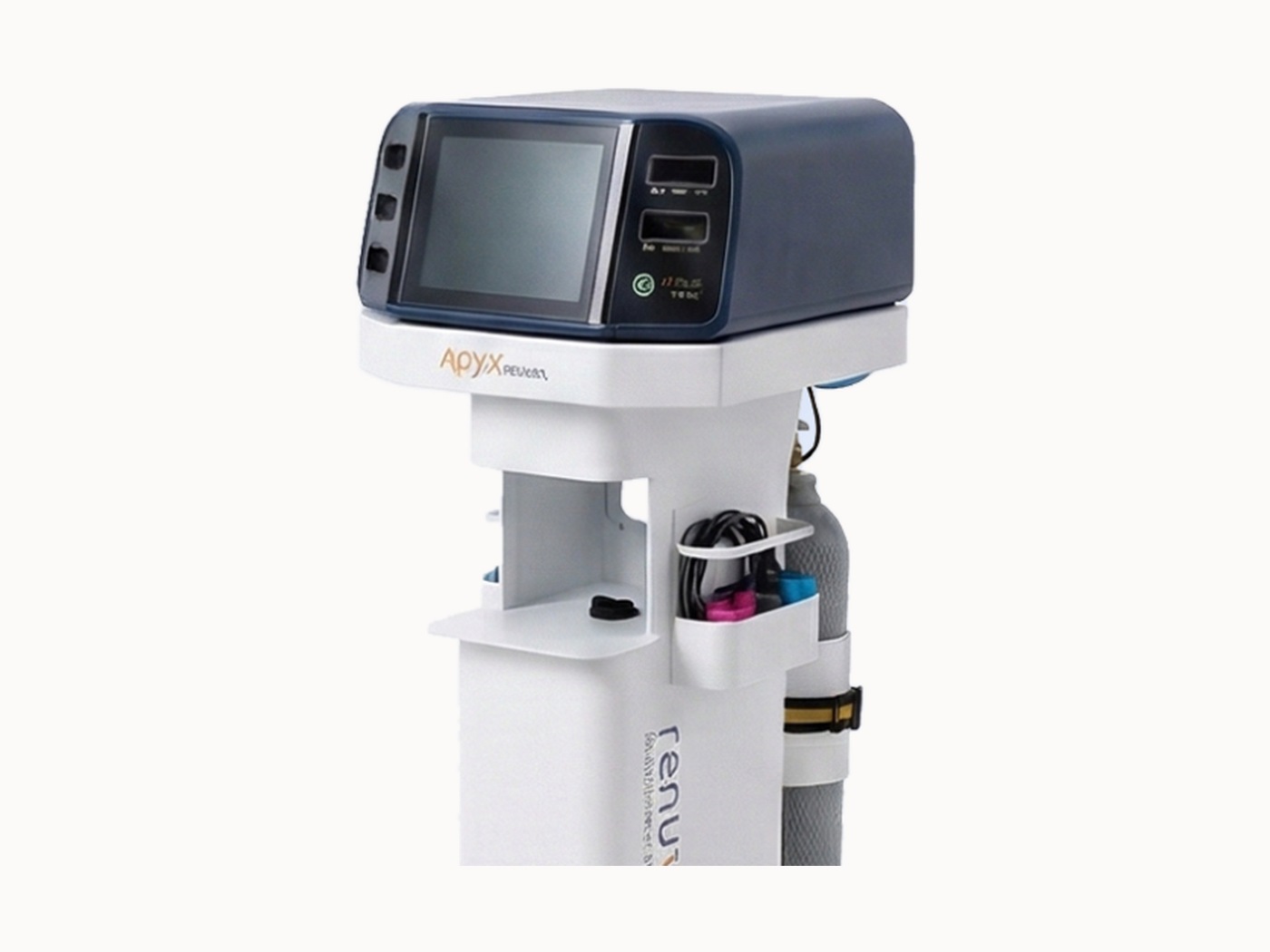
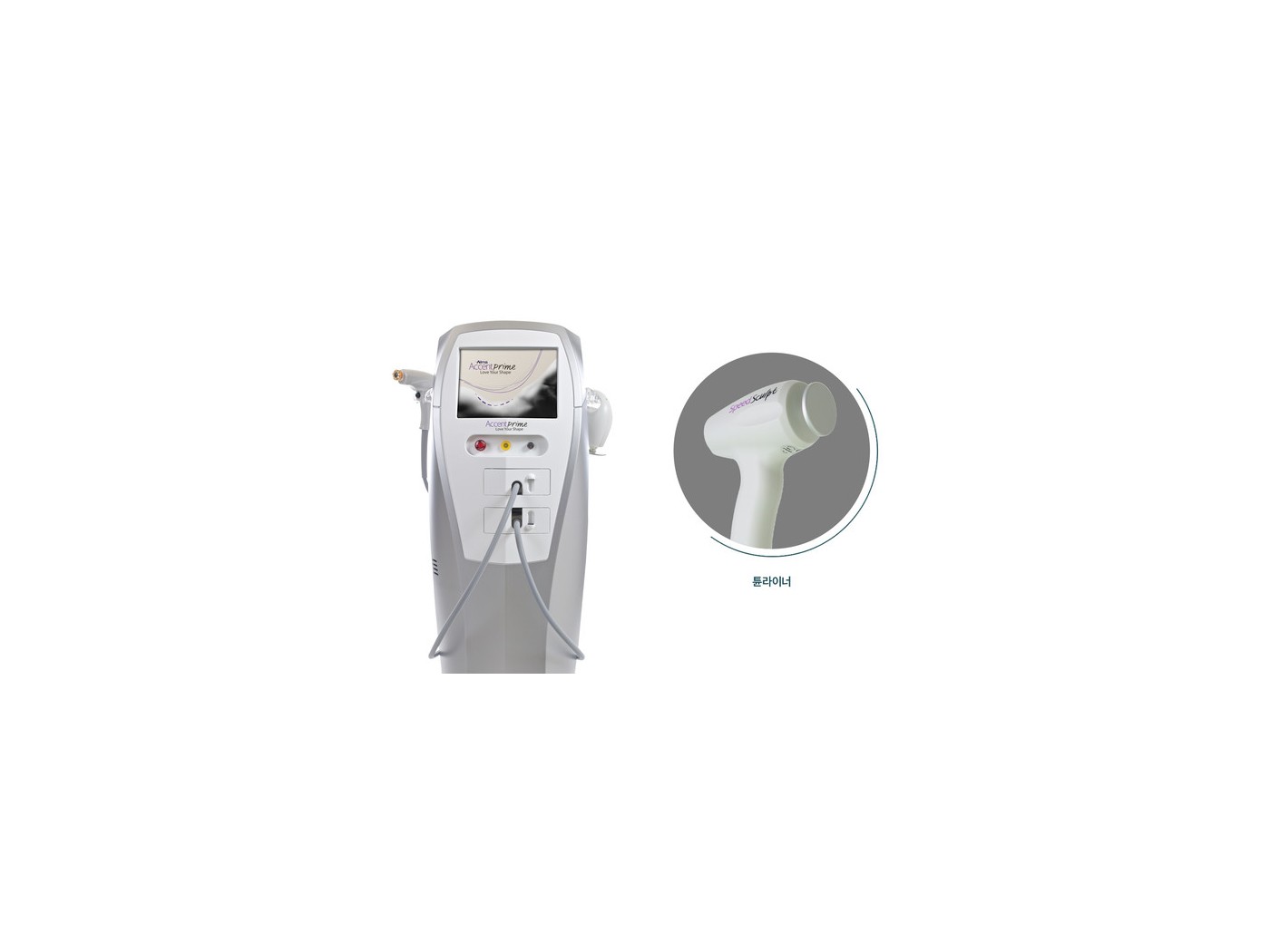
Body sculpting in Seoul has emerged as a global destination for patients seeking advanced non-invasive and minimally invasive fat reduction treatments. The city’s concentration of experienced plastic surgeons, cutting-edge technology, and competitive pricing attracts thousands of international patients annually. Seoul’s medical tourism infrastructure, particularly in the Gangnam and Apgujeong districts, offers comprehensive body contouring solutions backed by Korea’s Ministry of Health and Welfare (MOHW) regulatory standards.
This guide provides international patients with essential information about body sculpting procedures available in Seoul, including treatment options, costs, clinic selection criteria, and practical considerations for medical travelers.
Understanding Body Sculpting Technologies in Seoul
Seoul clinics offer a comprehensive range of body sculpting technologies, from established surgical methods to advanced non-invasive devices. Understanding these options helps patients make informed decisions aligned with their aesthetic goals and recovery timeframes.
Non-Invasive Body Contouring
Non-invasive technologies have become increasingly popular among international patients seeking minimal downtime. Cryolipolysis, commercially known as CoolSculpting, uses controlled cooling to eliminate fat cells through apoptosis. Research published in PubMed demonstrates fat layer reduction of 20-25% per treatment session with minimal adverse effects. Seoul clinics typically offer this treatment at 40-60% lower costs than Western countries. Learn about
High-intensity focused ultrasound (HIFU) body treatments target deeper fat layers using thermal energy. Korean manufacturers have developed proprietary HIFU systems specifically designed for Asian body types, offering customizable depth penetration. Treatment sessions last 60-90 minutes, with results appearing gradually over 8-12 weeks as the body naturally processes destroyed fat cells.
Radiofrequency (RF) body contouring combines fat reduction with skin tightening, addressing concerns about loose skin post-treatment. Seoul clinics frequently use multipolar RF devices that deliver uniform heating to subcutaneous layers. Patients typically require 4-6 sessions spaced two weeks apart for optimal results.
Minimally Invasive Procedures
Laser lipolysis represents a middle ground between non-invasive treatments and traditional liposuction. Korean plastic surgeons perform laser-assisted procedures under local anesthesia, using 1-2mm incisions to insert fiber-optic lasers that liquify fat cells. The procedure stimulates collagen production, resulting in skin tightening alongside fat reduction. Downtime typically ranges from 3-5 days, making it suitable for medical tourists with limited vacation time.
Injection lipolysis, particularly popular in Korea, uses deoxycholic acid or phosphatidylcholine compounds to dissolve localized fat deposits. The Korean FDA has approved several injection lipolysis products specifically for submental fat and small body areas. Treatment involves multiple sessions spaced 4-6 weeks apart, with each session taking 15-30 minutes..
Surgical Body Sculpting
Body lifting procedures address excess skin following massive weight loss or pregnancy. Korean surgeons often combine liposuction with skin excision techniques for comprehensive body contouring. These procedures require extended recovery periods of 4-6 weeks and careful post-operative monitoring.
Popular Body Sculpting Treatment Areas
Seoul clinics specialize in treating specific body areas with targeted approaches based on fat distribution patterns common in both Asian and Western body types.
Abdominal Contouring
Abdomen sculpting represents the most requested body contouring area among international patients. Seoul surgeons assess visceral versus subcutaneous fat distribution to recommend appropriate treatments. Non-invasive options work best for patients with subcutaneous fat layers under 3cm thickness, while surgical intervention suits those with significant fat deposits or muscle separation.
Korean clinics often combine multiple modalities for abdominal contouring. A typical protocol might include cryolipolysis for fat reduction followed by RF treatments for skin tightening. This staged approach minimizes downtime while maximizing results. Surgical patients may receive VASER liposuction combined with abdominal etching techniques to enhance muscle definition.
Thigh and Buttock Reshaping
Lower body contouring addresses inner thighs, outer thighs, and buttocks through fat removal and strategic fat transfer. Korean plastic surgeons frequently perform Brazilian Butt Lift (BBL) procedures for international patients, harvesting fat from abdomen or thighs and transferring it to buttocks for enhanced volume and shape.
Inner thigh gaps have become increasingly requested, though ethical Korean surgeons carefully assess anatomical feasibility. Treatment options range from injection lipolysis for mild cases to laser lipolysis or traditional liposuction for more significant reduction. Surgeons consider skin elasticity and potential for post-treatment laxity when recommending approaches.
Arm Sculpting
Upper arm contouring addresses both fat deposits and skin laxity. Non-invasive RF treatments effectively tighten mild to moderate arm laxity, while laser lipolysis suits patients with good skin elasticity and localized fat. Brachioplasty (arm lift surgery) remains necessary for patients with significant skin excess, though Korean surgeons employ techniques to minimize visible scarring.
Double Chin and Neck Contouring
Submental fat reduction represents one of Seoul’s most popular treatments for international visitors due to quick recovery times. Injection lipolysis has become the first-line treatment, with Korean clinics offering proprietary formulations showing enhanced efficacy. Alternative options include cryolipolysis applicators designed specifically for chin areas and micro-liposuction under local anesthesia.
Cost Analysis: Seoul vs. Western Countries
Understanding cost structures helps international patients budget for body sculpting treatments in Seoul, including procedure fees, accommodation, and travel expenses.
Procedure Pricing Breakdown
Non-invasive treatments in Seoul cost significantly less than equivalent procedures in Western countries. Cryolipolysis sessions range from $300-600 per area (versus $750-1,500 in the US). HIFU body treatments cost $800-1,500 for full abdominal treatment (compared to $2,000-4,000 in Australia). RF body contouring packages of six sessions typically cost $1,200-2,000.
Minimally invasive procedures offer substantial savings. Laser lipolysis for single areas ranges from $1,500-2,500 in Seoul versus $3,500-6,000 in Western markets. Injection lipolysis costs $200-400 per session, with most patients requiring 2-3 sessions for optimal results.
Surgical body sculpting presents the most significant cost advantages. Comprehensive liposuction treating multiple areas costs $3,500-6,000 in Seoul compared to $8,000-15,000 in the US or UK. Body lift procedures range from $8,000-12,000 versus $15,000-25,000 in Western countries. These prices include surgeon fees, anesthesia, facility costs, and initial follow-up appointments.
Total Trip Cost Estimation
International patients should budget beyond procedure costs. Round-trip airfare from the US West Coast to Seoul averages $800-1,200, while flights from the UK cost $600-1,000. Singapore and Australian patients typically spend $400-800 on flights.
Accommodation near Gangnam medical district ranges from $50-100 per night for mid-range hotels to $150-300 for luxury options. Many clinics partner with nearby hotels offering medical tourism packages including airport transfers and post-operative care assistance. Budget 7-10 nights for non-invasive treatments, 10-14 nights for minimally invasive procedures, and 14-21 nights for surgical body sculpting.
Additional costs include local transportation ($100-200 for two weeks), meals ($30-50 daily), compression garments ($50-150), and prescribed medications ($50-100). Total trip costs excluding procedures typically range from $2,000-4,000 depending on length of stay and accommodation choices.
Insurance and Financing Options
Body sculpting procedures are considered cosmetic and typically not covered by international health insurance. However, some Seoul clinics offer payment plans for international patients, though terms vary significantly. Medical tourism facilitators may provide financing options, but patients should carefully review interest rates and repayment terms before committing. Other Seoul providers like
Selecting Quality Clinics and Surgeons in Seoul
Proper clinic selection directly impacts treatment safety and outcomes. International patients should apply rigorous criteria when evaluating Seoul body sculpting providers.
Essential Credentials and Certifications
Verify surgeons hold board certification from the Korean Association of Plastic Surgeons (KAPS) or equivalent recognized specialty boards. KAPS certification requires completion of approved plastic surgery residency programs and passing comprehensive examinations.
Confirm clinics hold current licensing from Korea’s Ministry of Health and Welfare. Licensed facilities undergo regular inspections ensuring compliance with medical equipment standards, sterilization protocols, and emergency preparedness requirements. International patients can request clinic license numbers and verify status through MOHW databases.
Look for surgeons with specific body contouring expertise rather than general practitioners.
Technology and Facility Standards
Evaluate clinics based on equipment quality and facility accreditation. Reputable Seoul clinics invest in FDA-approved or Korean FDA-cleared devices from established manufacturers. Beware of facilities using uncertified devices or outdated technology marketed as “proprietary” systems.
Surgical facilities should maintain accreditation from recognized bodies such as Joint Commission International (JCI) or equivalent Korean accreditation organizations. Accredited facilities meet international standards for surgical safety, infection control, and emergency response capabilities. This becomes particularly important for international patients unfamiliar with Korean healthcare systems.
Communication and International Patient Support
Effective communication proves essential for international patients. Quality clinics employ English-speaking coordinators who facilitate consultations, explain procedures, and manage logistics. Assess coordinator responsiveness during initial inquiries—delays or vague responses may indicate inadequate international patient infrastructure.
Request detailed consultation processes. Reputable surgeons conduct thorough in-person assessments before recommending treatments, including body composition analysis, medical history review, and realistic expectation setting. Be cautious of clinics making treatment recommendations based solely on emailed photos without comprehensive evaluation.
Reviews and Patient Testimonials
Research clinic reputations through multiple sources. While online reviews provide insights, recognize that some platforms may contain fake or incentivized testimonials. Cross-reference reviews across independent medical tourism platforms, expatriate forums, and social media groups focused on Korean medical tourism.
Request before-and-after photo portfolios showing diverse body types and treatment scenarios. Ethical surgeons provide realistic examples including both optimal results and cases with limitations. Be skeptical of clinics showing only perfect outcomes without discussion of potential limitations or complications.
Procedure Timeline and Recovery Expectations
Understanding treatment timelines helps international patients plan appropriate travel schedules and manage recovery expectations.
Pre-Treatment Preparation
Initial consultations typically occur on arrival day or day two of the Seoul visit. Surgeons perform physical examinations, review medical histories, and may order blood tests or additional diagnostics. Pre-operative testing for surgical procedures usually requires 1-2 days for laboratory processing.
Patients should discontinue blood-thinning medications and supplements 7-10 days before procedures, following surgeon guidance. Anti-inflammatory medications, vitamin E, fish oil, and certain herbal supplements increase bleeding risk. Smokers must cease tobacco use minimum 4 weeks before surgical procedures to reduce complication risks.
Some clinics recommend arriving 2-3 days before scheduled procedures for jet lag recovery and final preparations. This buffer allows flexibility for delayed flights or unexpected scheduling changes.
Non-Invasive Treatment Schedules
Non-invasive procedures require minimal recovery time, making them ideal for patients with limited vacation availability. Cryolipolysis sessions last 45-60 minutes per area, with patients resuming normal activities immediately. Mild soreness, redness, or numbness may persist 1-2 weeks but doesn’t restrict travel.
HIFU body treatments cause temporary swelling and tenderness for 3-5 days post-procedure. Patients should avoid strenuous exercise during this period but can travel comfortably. Results develop gradually over 2-3 months as the body metabolizes treated fat cells.
RF body contouring sessions require no downtime. Patients typically schedule 4-6 treatments over 2-3 weeks, allowing for flexible travel itineraries. Some international patients complete initial treatments during Seoul visits and arrange follow-up sessions during subsequent trips.
Minimally Invasive Recovery Protocols
Laser lipolysis requires 3-7 days recovery before international travel. Patients experience swelling, bruising, and mild discomfort managed with prescribed pain medications. Compression garments must be worn continuously for 2-4 weeks, removable only for showering. Most surgeons clear patients for air travel 5-7 days post-procedure, though swelling may persist several weeks.
Injection lipolysis causes minimal downtime but requires multiple treatment sessions. Patients experience localized swelling and firmness for 3-7 days after each session. Sessions should be spaced 4-6 weeks apart, making this option less suitable for single-trip medical tourists unless combining with other treatments.
Surgical Recovery and Follow-Up
Traditional liposuction requires 10-14 days minimum before international air travel. Initial 48-72 hours involve significant swelling, bruising, and moderate pain managed through prescribed medications. Patients must wear compression garments 24/7 for minimum 4 weeks post-operatively.
Drain tubes, if used, are typically removed within 3-7 days. Surgeons schedule follow-up appointments on days 3, 7, and 14 post-operatively to monitor healing, remove sutures, and assess complications. International patients should arrange accommodation near clinics during early recovery phases for easy access to post-operative care.
Strenuous activity and exercise remain restricted 4-6 weeks post-surgery. Final results become apparent 3-6 months after procedures once swelling completely resolves. Some surgeons offer virtual follow-up consultations for international patients after returning home, though in-person assessments provide more comprehensive evaluation.
Managing Complications Abroad
While serious complications remain rare with experienced surgeons, international patients should understand emergency protocols. Reputable clinics provide 24/7 emergency contact numbers and arrange immediate consultation for concerns like excessive bleeding, severe pain, signs of infection, or unusual swelling.
Medical tourism insurance covering complications provides additional security. Standard travel insurance typically excludes elective procedure complications, so specialized medical tourism insurance becomes advisable for surgical body sculpting. Policies should cover extended accommodation if recovery complications delay return travel.
Optimizing and Maintaining Body Sculpting Results
Long-term satisfaction with body sculpting depends on proper maintenance strategies and realistic understanding of treatment limitations.
Lifestyle Factors Affecting Outcomes
Body sculpting removes fat cells permanently from treated areas, but remaining fat cells can expand with weight gain. Patients who gain significant weight after procedures may lose contouring benefits. Maintaining stable weight within 5-10 pounds of post-procedure weight preserves optimal results.
Regular exercise enhances and maintains body sculpting outcomes. Cardiovascular exercise prevents new fat accumulation, while resistance training builds muscle definition complementing fat reduction. Korean surgeons typically recommend establishing exercise routines 6-8 weeks post-procedure once healing completes.
Nutrition significantly impacts result longevity. Balanced diets rich in protein support healing and maintain lean muscle mass. Korean nutritionists often recommend Mediterranean-style eating patterns emphasizing whole foods, lean proteins, healthy fats, and abundant vegetables while limiting processed foods and excess sugars.
Complementary Treatments
Many Seoul patients combine body sculpting with complementary aesthetic procedures for comprehensive transformations. Skin tightening treatments using RF or ultrasound technology enhance results for patients with mild to moderate skin laxity post-fat reduction. These non-invasive treatments typically occur 2-3 months after initial body sculpting procedures.
Lymphatic drainage massage accelerates recovery and enhances results by reducing post-procedure swelling and promoting toxin elimination. Korean clinics often include several post-operative massage sessions in surgical packages. International patients can continue lymphatic massage at home through trained therapists.
Body sculpting results can be maintained through periodic maintenance treatments. Non-invasive technologies like cryolipolysis or RF may be used annually to address minor fat accumulation in treated areas, though this should supplement rather than replace healthy lifestyle habits..
Realistic Expectations and Limitations
Body sculpting treats localized fat deposits but doesn’t substitute for weight loss. Ideal candidates maintain stable weights within 30 pounds of their goal weight with stubborn fat pockets resistant to diet and exercise. Patients requiring significant weight loss should achieve target weights before considering body contouring procedures.
Skin quality limits achievable results. Patients with poor skin elasticity may experience loose or sagging skin after fat removal, potentially requiring surgical skin excision for optimal outcomes. Korean surgeons assess skin quality during consultations using elasticity tests and recommend appropriate treatment combinations.
Age affects healing and result quality. While no strict age limits exist for body sculpting, older patients typically experience slower healing and may require more conservative treatment approaches. Younger
 HOMMAGEBody Sculpting · Women's Care