Recently updated | Reviewed by: Korea Medical Tourism Editorial Team
Patients visiting Korean clinics consistently report that the standard of body shaping treatments in Seoul far exceeds what they had experienced back home — not only in terms of technology but in the personalized consultation process and post-treatment care protocols.
Whether you’re considering non-invasive fat reduction, muscle-defining treatments, or surgical body reshaping, finding the right body shaping clinic in Seoul can feel overwhelming given the sheer number of options concentrated in districts like Gangnam, Apgujeong, and Cheongdam. This guide breaks down what to expect, what to pay, and how to navigate the experience as an international patient — so you can walk away with results that were worth the trip.
Why Seoul Is a Global Destination for Body Shaping
Seoul has earned its reputation as a world-class hub for aesthetic medicine, and the body shaping sector is no exception. Clinics in Gangnam alone house some of the most sophisticated body contouring technology available globally, often acquiring FDA-cleared and KFDA-approved devices years before they become widely accessible in Western markets.
Advanced Technology and Multi-Modal Approaches
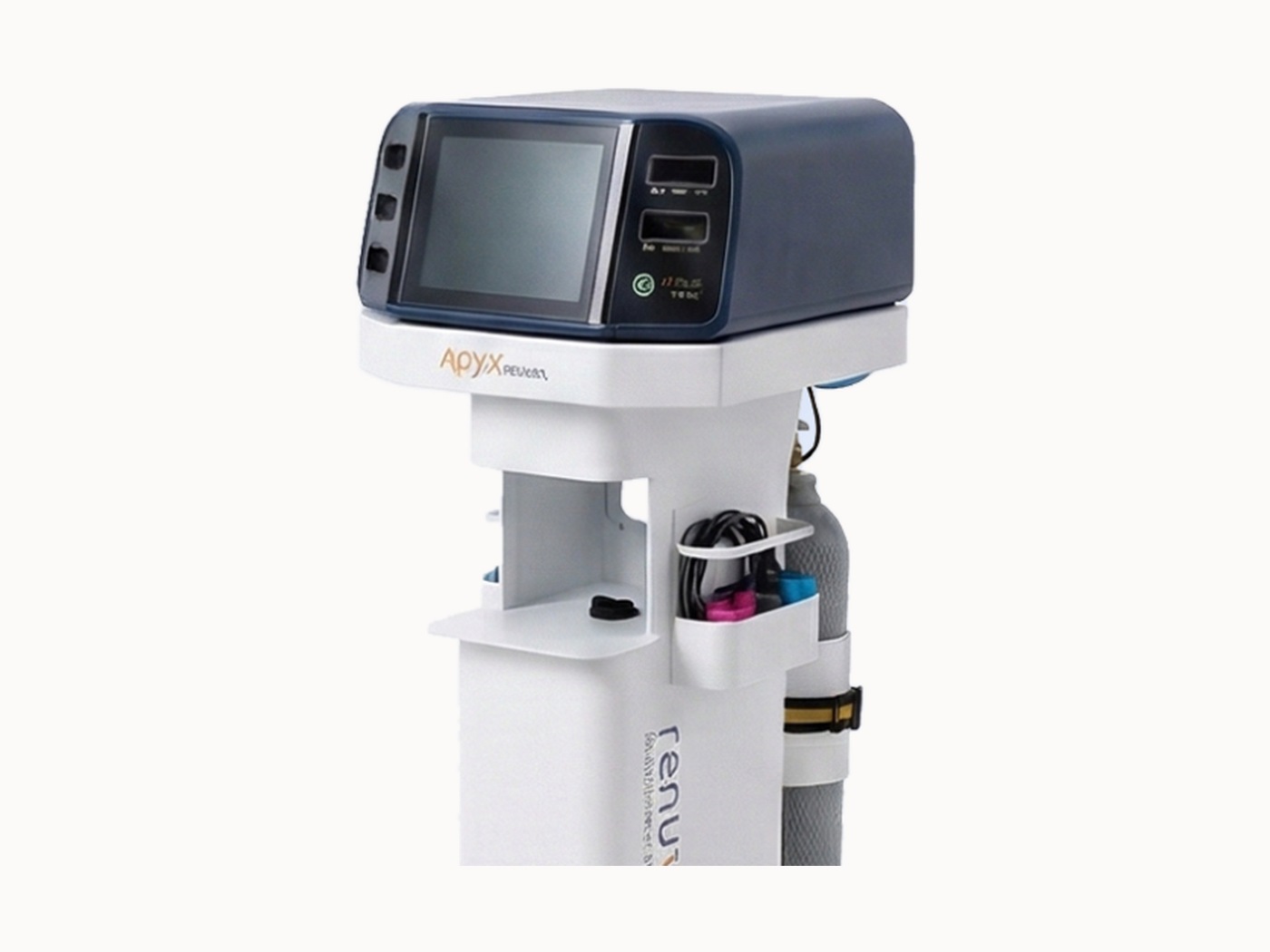
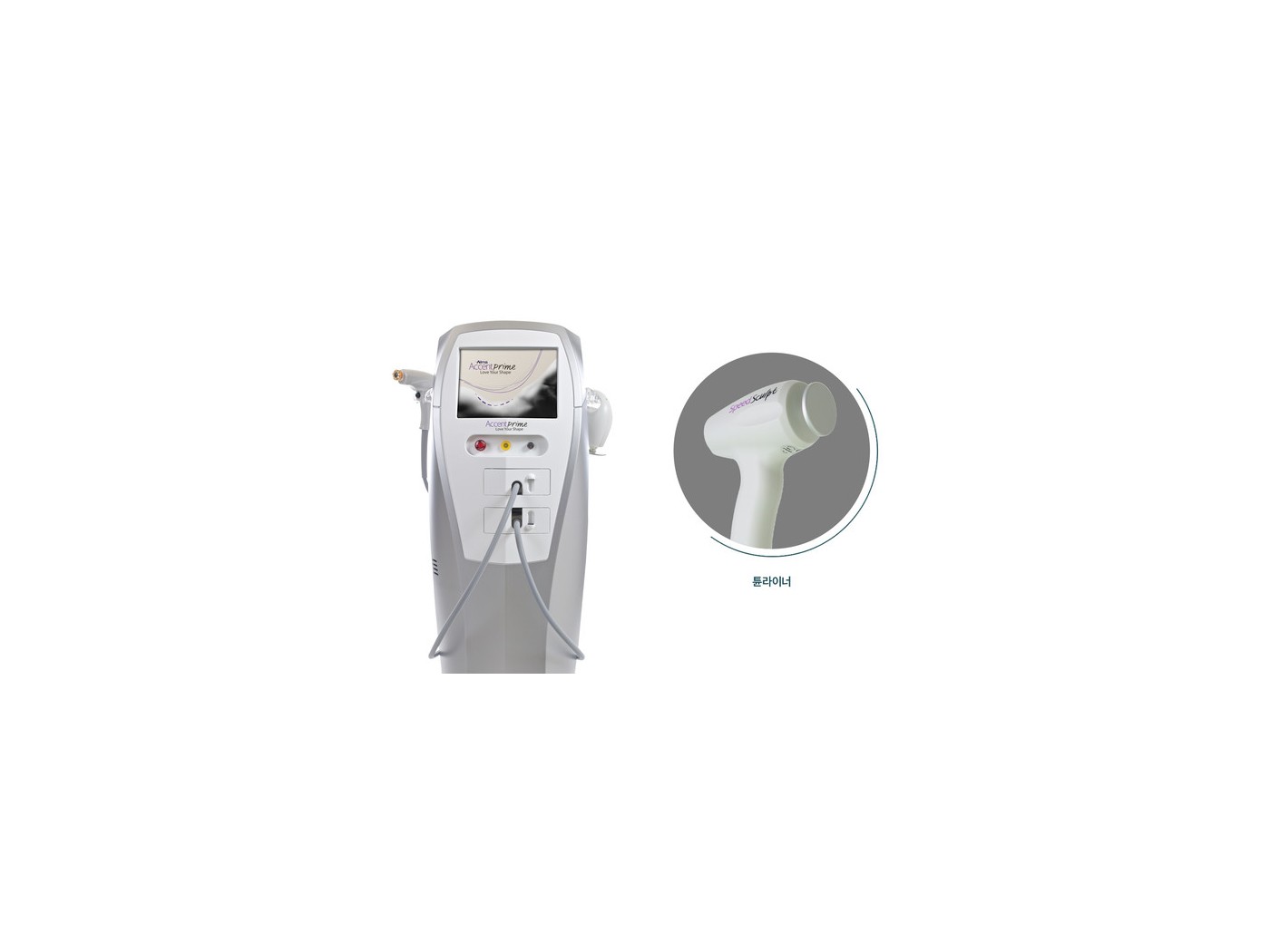
What sets a top body shaping clinic in Seoul apart is the multi-modal treatment philosophy. Rather than relying on a single device, leading clinics combine technologies such as High-Intensity Focused Electromagnetic (HIFEM) muscle stimulation, cryolipolysis (fat freezing), radiofrequency (RF) skin tightening, and ultrasound-based fat disruption in the same treatment plan. This integrated approach delivers faster and more visible results than any single modality alone.
Certified Clinics and Medical Oversight
Korean law requires that aesthetic body shaping procedures be performed under licensed medical supervision. This means that even non-invasive treatments at reputable clinics are supervised or performed by qualified physicians, adding a layer of safety that is not always guaranteed at medical spas in other countries. The Korean Medical Association maintains clear standards for aesthetic practice, which helps patients trust that they are in professionally regulated hands.
Popular Body Shaping Treatments in Seoul and What They Cost
Pricing at a body shaping clinic in Seoul varies based on the treatment type, number of sessions, and the clinic’s location and reputation. Below is a realistic breakdown of the most commonly sought treatments by international patients.
Non-Invasive Fat Reduction
Cryolipolysis (commonly marketed as CoolSculpting or its Korean equivalents) targets stubborn fat pockets through controlled cooling. A single applicator session typically costs between ₩150,000 and ₩300,000 (approximately USD $110–$220). Most patients require 2 to 4 sessions per treatment area, meaning a full abdomen protocol could range from ₩600,000 to ₩1,200,000 (USD $440–$880). Results become visible 6 to 12 weeks after treatment, with no downtime required.
HIFEM Muscle Sculpting (EMSculpt-Type Treatments)
HIFEM-based treatments that simultaneously build muscle and reduce fat have become extremely popular at body shaping clinics in Seoul. A single session is priced at around ₩200,000 to ₩400,000 (USD $145–$290), and a standard package of 4 sessions for one body area typically costs ₩700,000 to ₩1,400,000 (USD $510–$1,020). Sessions last 30 minutes with zero downtime, making this ideal for busy medical tourists. Visible muscle definition improvements are typically noticeable 2 to 4 weeks after the final session.
Radiofrequency Body Tightening
RF treatments address skin laxity after fat loss or weight changes. Popular RF platforms used in Seoul clinics include Thermage, Inmode BodyTite, and various Korean-branded devices. Per-session costs range from ₩300,000 to ₩800,000 (USD $220–$585) depending on the treatment area size. A full abdominal RF tightening session takes 45 to 90 minutes. Patients can resume normal activities immediately, though mild redness may persist for a few hours.
Surgical Body Contouring (Liposuction and Body Lift)
For patients seeking more dramatic and permanent reshaping, surgical options like VASER liposuction and body lift procedures are available at reputable hospitals and surgical clinics in Seoul. VASER liposuction for a single area such as the abdomen starts at approximately ₩2,000,000 to ₩4,000,000 (USD $1,460–$2,920), while comprehensive procedures covering multiple areas can reach ₩8,000,000 to ₩15,000,000 (USD $5,840–$10,950). Recovery time ranges from 5 to 14 days depending on the extent of the procedure, and patients are advised to plan their stay in Seoul accordingly.
Initial Consultation Process
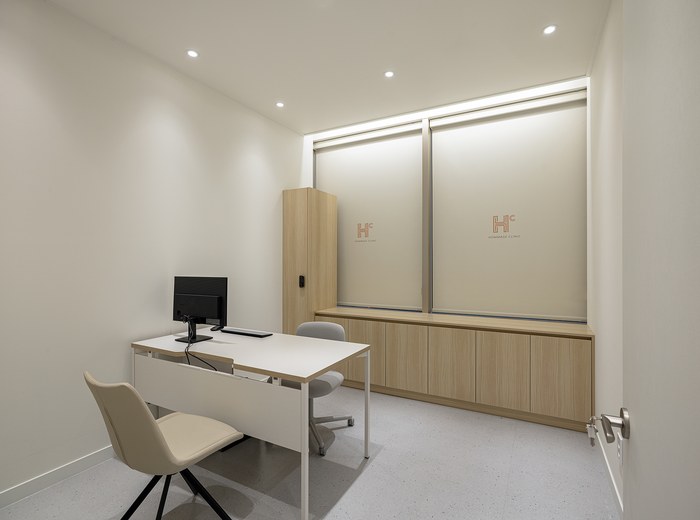
Most reputable body shaping clinics in Seoul offer a complimentary or low-cost initial consultation (typically ₩0 to ₩50,000 / USD $0–$37). Many Gangnam clinics provide body fat analysis using InBody scanning technology to give you precise baseline measurements before and after treatment.
Language Support for International Patients
The majority of clinics frequented by foreign patients in Gangnam and Apgujeong have English-speaking coordinators on staff. Some also accommodate Japanese, Chinese, and other languages. It is advisable to confirm language support when booking your consultation to ensure clear communication about treatment protocols, contraindications, and aftercare instructions.
Treatment Timelines and Stay Planning
Non-invasive body shaping packages can often be completed within a single trip of 5 to 10 days, with multiple sessions scheduled every 2 to 3 days. Surgical procedures require a longer stay to allow for pre-operative assessments, the procedure itself, and post-operative monitoring. Planning a minimum 10 to 14 day stay is recommended for surgical patients.
What to Know Before You Book
Here are five essential tips based on our research across multiple Gangnam clinics:
3. Always ask for a written itemized quote before committing.
4. Disclose your full medical history. Certain body shaping treatments are contraindicated for patients with pacemakers, pregnancy, active skin infections, or specific metabolic conditions. Full disclosure at the consultation stage protects both you and the clinic.
5. Plan recovery time into your itinerary. Even non-invasive treatments can cause temporary swelling, bruising, or tenderness. Avoid scheduling high-activity days or long-haul flights immediately after treatment sessions whenever possible.
How do I find a reputable body shaping clinic in Seoul as a foreigner?
Start by searching for clinics in Gangnam or Apgujeong that specifically cater to international patients and have English-language websites. Look for clinics that display physician credentials prominently and have verifiable patient reviews on platforms such as RealSelf, Google, or Naver. Medical tourism facilitators can also help match you with vetted clinics based on your treatment goals and budget.
Is body shaping in Seoul cheaper than in the US or Europe?
In most cases, yes. Non-invasive treatments in Seoul are typically 30–50% less expensive than equivalent treatments in the United States or Western Europe, even after accounting for travel costs. Surgical procedures can offer even greater savings, though it’s important to prioritize quality and safety over cost alone.
How many sessions will I need during a single trip to Seoul?
This depends entirely on your chosen treatment. For non-invasive protocols like HIFEM or cryolipolysis, most packages consist of 4 sessions spread over 7 to 10 days, which fits comfortably within a standard medical tourism trip. Your attending physician will outline the ideal session schedule during your initial consultation.
Are body shaping treatments in Seoul safe for international patients?
Yes, provided you choose a licensed clinic staffed by qualified medical professionals. Korea’s Ministry of Health and Welfare enforces strict standards for medical aesthetic facilities, and foreign patients have the same legal protections as domestic patients. Always verify that your clinic operates under proper medical licensure before proceeding.
Do I need a follow-up after returning home?
For non-invasive treatments, follow-up is typically not required unless you experience unexpected side effects. For surgical procedures, Korean clinics usually provide detailed aftercare documentation and may coordinate with your home country physician for follow-up care. Keep all clinic records and treatment summaries for your doctor back home.
What is the best time of year to visit a body shaping clinic in Seoul?
Spring (March to May) and autumn (September to November) are the most popular seasons for medical tourism in Seoul due to the mild weather. However, these are also the busiest periods for clinics. Winter visits can offer shorter wait times and occasionally better promotional pricing on package treatments.
For more in-depth information on specific treatments and clinics, explore these resources from our editorial team:
- Body Sculpting Guide: Seoul Clinic Edition
- Body Contouring in Korea: A Complete Patient Guide
- EMSculpt in Korea: What International Patients Should Know
- Body Sculpting in Seoul for Foreigners: Practical Tips
- Best Body Sculpting Treatments in Korea Ranked
Medical Disclaimer: This article is for informational purposes only and does not constitute medical advice. Always consult a qualified healthcare professional before undergoing any medical procedure. Individual results and recovery times may vary.
About This Guide: Researched and written by the editorial team at Body Sculpting Korea, a resource dedicated to helping international patients navigate Korea medical tourism with accurate, up-to-date information sourced from official Korean health authorities and direct clinic consultations.
Recommended Reading
- Emsculpt Korea: Cost, Clinics & What to Expect
- best body
External Resources
For more information about Korean medical services, visit
 HOMMAGEBody Sculpting · Women's Care