When planning a medical tourism trip for body contouring, two destinations dominate the conversation: South Korea and Thailand. Both countries attract hundreds of thousands of international patients annually, yet they offer distinctly different experiences, technologies, and outcomes.
Why Medical Tourism for Body Sculpting Is Booming
According to the Korea Health Industry Development Institute (KHIDI), over 600,000 foreign patients visited South Korea for medical procedures in 2023, with aesthetic and body contouring treatments ranking among the top five requested services.
Both nations have built robust industries catering to international patients — but the similarities largely end there. Understanding the core differences can save you money, ensure better results, and most importantly, protect your health.
Cutting-Edge Devices in Korean Clinics
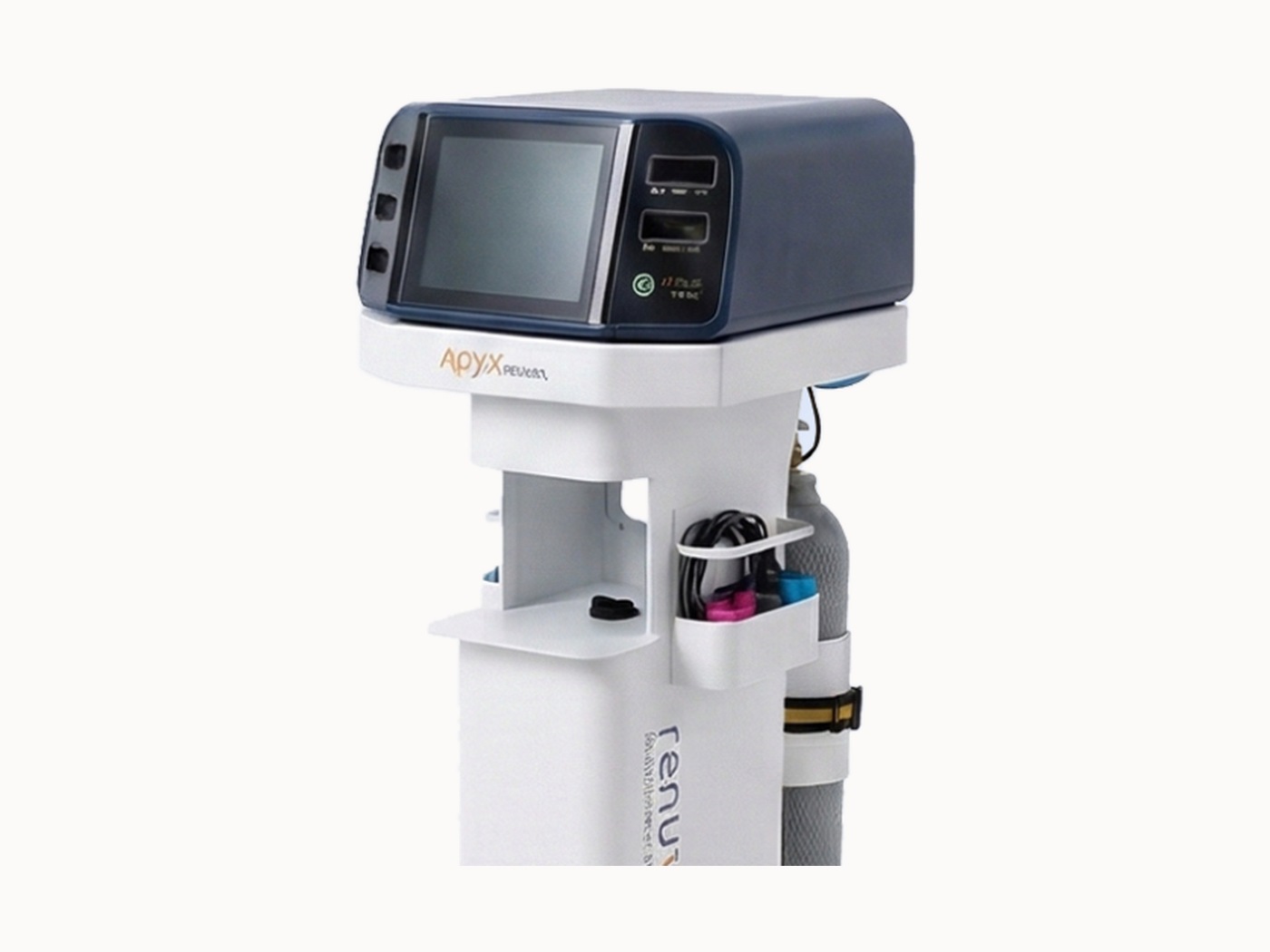
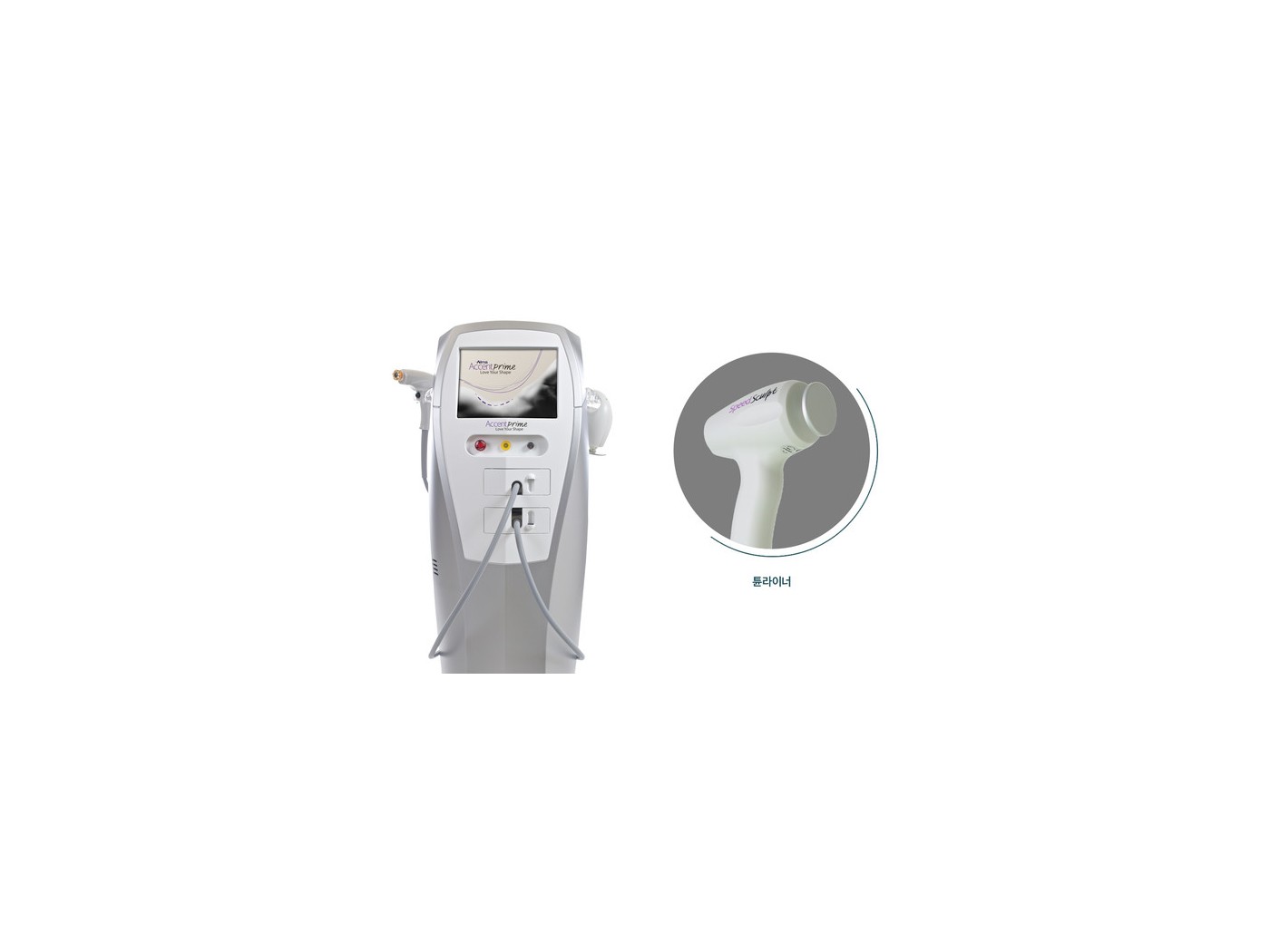
South Korea is globally recognized as a leader in aesthetic medicine innovation. Korean clinics routinely offer the latest FDA-cleared and KFDA-approved body sculpting technologies, including HIFU (High-Intensity Focused Ultrasound), CoolSculpting Elite, Emsculpt NEO, Ultraformer III, and advanced laser lipolysis systems. Many Korean clinics invest heavily in importing the newest devices within months of their global release.
What Thailand Offers Technologically
Thailand’s top-tier clinics in Bangkok — particularly those on Sukhumvit Road and in Thonglor — also carry reputable equipment. However, the range is generally narrower, and device maintenance standards vary significantly between premium hospitals and smaller clinics. Patients in Thailand often find CoolSculpting, ultrasound cavitation, and radiofrequency treatments available, but rarely encounter the comprehensive multi-modality approach common in Seoul’s Gangnam district.
Korea’s Rigorous Medical Licensing
South Korea’s healthcare regulatory environment is among the strictest in Asia. The Korean Medical Association (KMA) requires that all body sculpting procedures be performed or directly supervised by licensed medical doctors. Korean clinics must adhere to strict sterilization, patient consent, and complication management protocols. The Ministry of Health and Welfare conducts regular inspections, and clinics targeting foreign patients must register under the medical tourism certification system.
Thailand’s Variable Standards
Thailand’s JCI-accredited hospitals (such as Bumrungrad International and Bangkok Hospital) maintain world-class safety standards. However, the broader aesthetic clinic market is far less regulated. Non-physician operators are common in smaller Thai clinics, and the oversight of non-surgical body sculpting treatments is inconsistent. While many reputable Thai clinics deliver excellent outcomes, the due-diligence burden falls more heavily on the patient to research credentials carefully.
Pricing in South Korea
Contrary to popular belief, Korean body sculpting is not always the more expensive option when factoring in technology quality and results. Typical price ranges at reputable Seoul clinics include:. Related procedures include
- CoolSculpting (per cycle): ₩150,000–₩250,000 (approximately $110–$185 USD)
- Emsculpt NEO (per session): ₩300,000–₩500,000 (approximately $220–$370 USD)
- HIFU Body (full treatment): ₩400,000–₩800,000 (approximately $295–$590 USD)
- Liposuction (per area): ₩1,500,000–₩4,000,000 (approximately $1,100–$2,950 USD)
- Combination package (3–5 sessions): ₩800,000–₩2,000,000 (approximately $590–$1,470 USD)
Pricing in Thailand
Thailand’s non-surgical body sculpting treatments typically range as follows at Bangkok’s reputable clinics:.
- CoolSculpting (per cycle): ฿3,500–฿6,000 (approximately $95–$165 USD)
- Cavitation + RF body treatment: ฿2,000–฿4,000 per session (approximately $55–$110 USD)
- Liposuction (per area): ฿25,000–฿80,000 (approximately $685–$2,200 USD)
While Thailand’s prices can appear lower on paper, Korean clinics frequently offer medical-grade combination protocols that produce faster, more measurable results — often meaning fewer total sessions and comparable overall spend.
Korea’s International Patient Infrastructure
Seoul, and specifically the Gangnam and Sinchon medical districts, has developed a sophisticated infrastructure for foreign patients. Most top clinics offer multilingual coordinators (English, Chinese, Japanese, Arabic), dedicated international patient lounges, and comprehensive aftercare communication via apps and messaging platforms. Many clinics also partner with certified medical tourism agencies that assist with travel, accommodation, and itinerary planning.
According to a 2023 survey by Korea Tourism Organization, 94% of medical tourists to Korea reported satisfaction with clinic communication and patient support services — a remarkably high benchmark.
Thailand’s Hospitality Strengths
Thailand is world-renowned for hospitality, and this extends to healthcare. Thai medical staff are warm, attentive, and patient-focused. Larger hospitals like Bumrungrad have robust international patient centers. However, smaller aesthetic clinics may have limited English-speaking staff, and aftercare follow-up for body sculpting treatments can be less systematic than in Korea’s tech-savvy clinic environment.
What Korean Body Sculpting Delivers
Korea’s strength lies in its emphasis on combination protocols and measurable outcomes. Korean clinics typically conduct detailed body composition analyses before and after treatment, using InBody scans and 3D body imaging to quantify fat reduction, muscle gain, and circumference changes. This data-driven approach leads to more personalized treatment plans and documented results that international patients can compare before and after their trip.
Managing Expectations in Thailand
Results from Thai aesthetic clinics are certainly achievable, particularly for patients opting for surgical liposuction at accredited hospitals. However, for non-surgical body contouring, the lack of standardized pre- and post-treatment assessment in many Thai clinics makes outcome tracking less reliable. Patients may struggle to compare results systematically or receive evidence-based adjustments to their treatment plan.
Which Destination Should You Choose?
The decision between Korea vs Thailand body sculpting ultimately depends on your priorities:
- Choose Korea if you prioritize cutting-edge technology, rigorous safety standards, data-driven results, and a seamless international patient experience. Korea is particularly recommended for non-surgical treatments, combination protocols, and patients who want the latest approved devices.
- Choose Thailand if you are focused primarily on surgical liposuction at a JCI-accredited hospital, value cost savings above all else, or wish to combine treatment with an extended tropical vacation. Always verify the specific clinic’s accreditation and surgeon credentials regardless.
For more information to help plan your body sculpting journey in Korea, explore these resources:.
- Body Sculpting Korea Cost: Complete Pricing Guide
- Best Body Sculpting Treatments in Korea
- Body Sculpting in Seoul for Foreign Patients
- Complete Korea Body Sculpting Guide
Is body sculpting in Korea more expensive than in Thailand?
Not necessarily when comparing equivalent quality. Non-surgical treatments in Korea range from ₩150,000–₩800,000 ($110–$590 USD) per session depending on the modality, while Thailand’s top clinics offer similar pricing. However, Korean clinics typically use newer-generation devices and combination protocols that may require fewer sessions overall, making the total investment comparable or better value.
Are Korean body sculpting clinics safe for foreign patients?
Yes. South Korea’s healthcare system is strictly regulated by the Ministry of Health and Welfare, and all medical aesthetic procedures must be supervised by licensed physicians. Korea also has a dedicated medical tourism certification system ensuring clinics serving foreign patients meet additional standards for safety, communication, and patient support.
Do I need to speak Korean to get treatment in Seoul?
No. Top body sculpting clinics in Seoul’s Gangnam district have multilingual coordinators fluent in English, Chinese, Japanese, and other languages. Many also offer online pre-consultation services so you can discuss your goals and receive a treatment plan before you even arrive in Korea.
How long should I stay in Korea for body sculpting treatment?
For non-surgical body contouring packages (3–5 sessions), most international patients plan a stay of 5–10 days. Surgical liposuction typically requires 10–14 days to allow for initial recovery before flying home. Your clinic’s international coordinator can help design an optimal schedule around your treatment plan.
Can I combine body sculpting in Korea with sightseeing?
Absolutely. Non-surgical treatments like CoolSculpting, HIFU, or Emsculpt NEO have minimal to no downtime, allowing patients to explore Seoul’s attractions between sessions. Even surgical patients often use their recovery period to enjoy lighter activities such as shopping in Myeongdong, visiting Gyeongbokgung Palace, or experiencing Korean cuisine and culture.
Recommended Reading
- body sculpting seoul
- body sculpting korea
- sculpting korea
External Resources
Other helpful resources:
 HOMMAGEBody Sculpting · Women's Care