Recently updated | Reviewed by: Korea Medical Tourism Editorial Team
Patients visiting Korean clinics consistently report that the range and quality of non-surgical and surgical skin tightening body treatments available in Seoul far exceeds what they encountered at home — often at a fraction of the cost.
Skin tightening body Korea treatments range from ultrasound-based HIFU therapies and radiofrequency devices to surgical body lift procedures, giving patients at every stage a targeted, clinically sound option to explore.
Understanding Skin Tightening Body Treatments Available in Korea
Korean aesthetic clinics broadly categorize body skin tightening into three tiers: non-invasive energy-based treatments, minimally invasive procedures such as thread lifts applied to body areas, and surgical options including body lift surgery. Understanding which tier suits your goals is the essential first step before booking any consultation.
Non-Invasive Energy-Based Devices
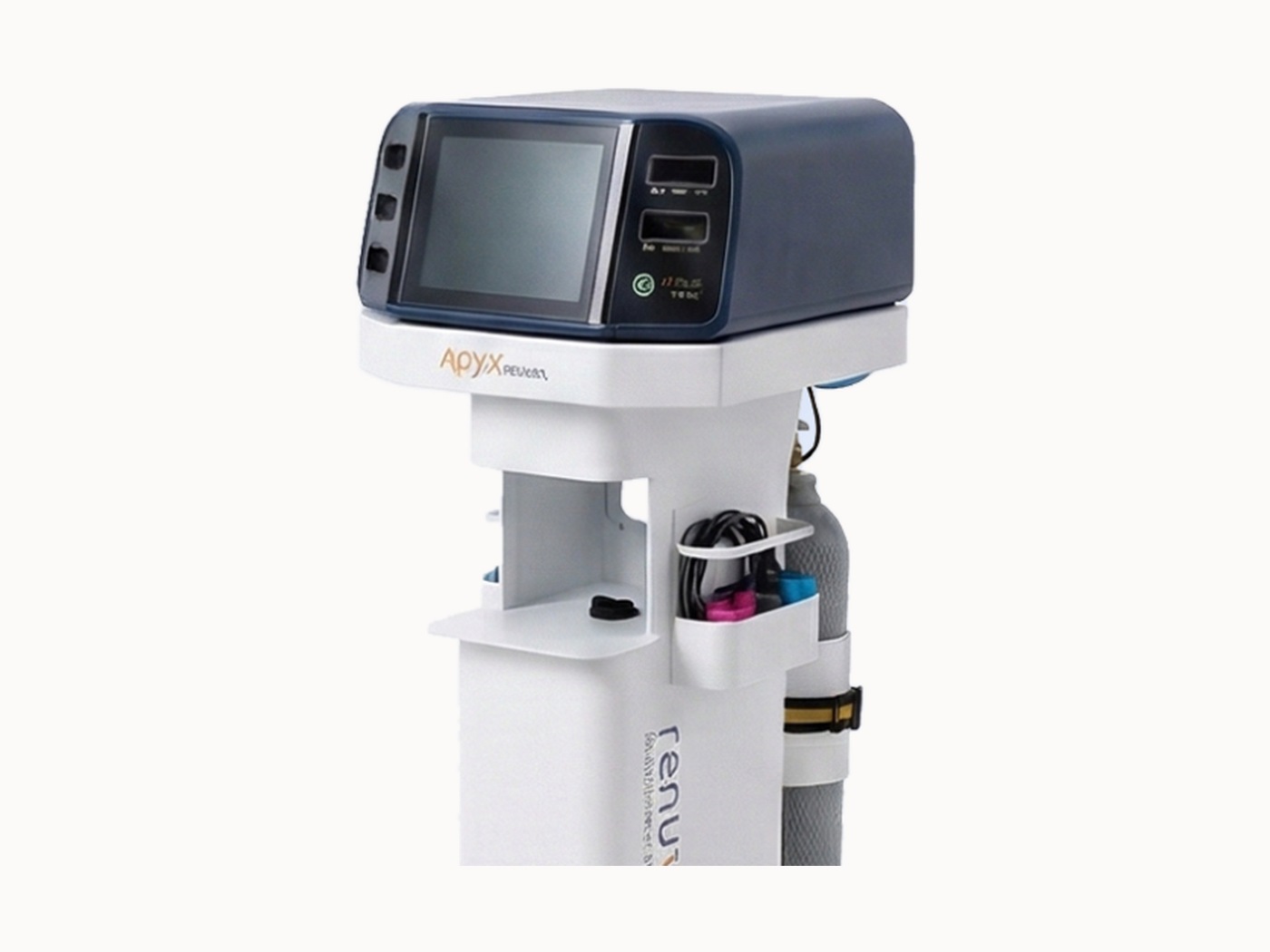
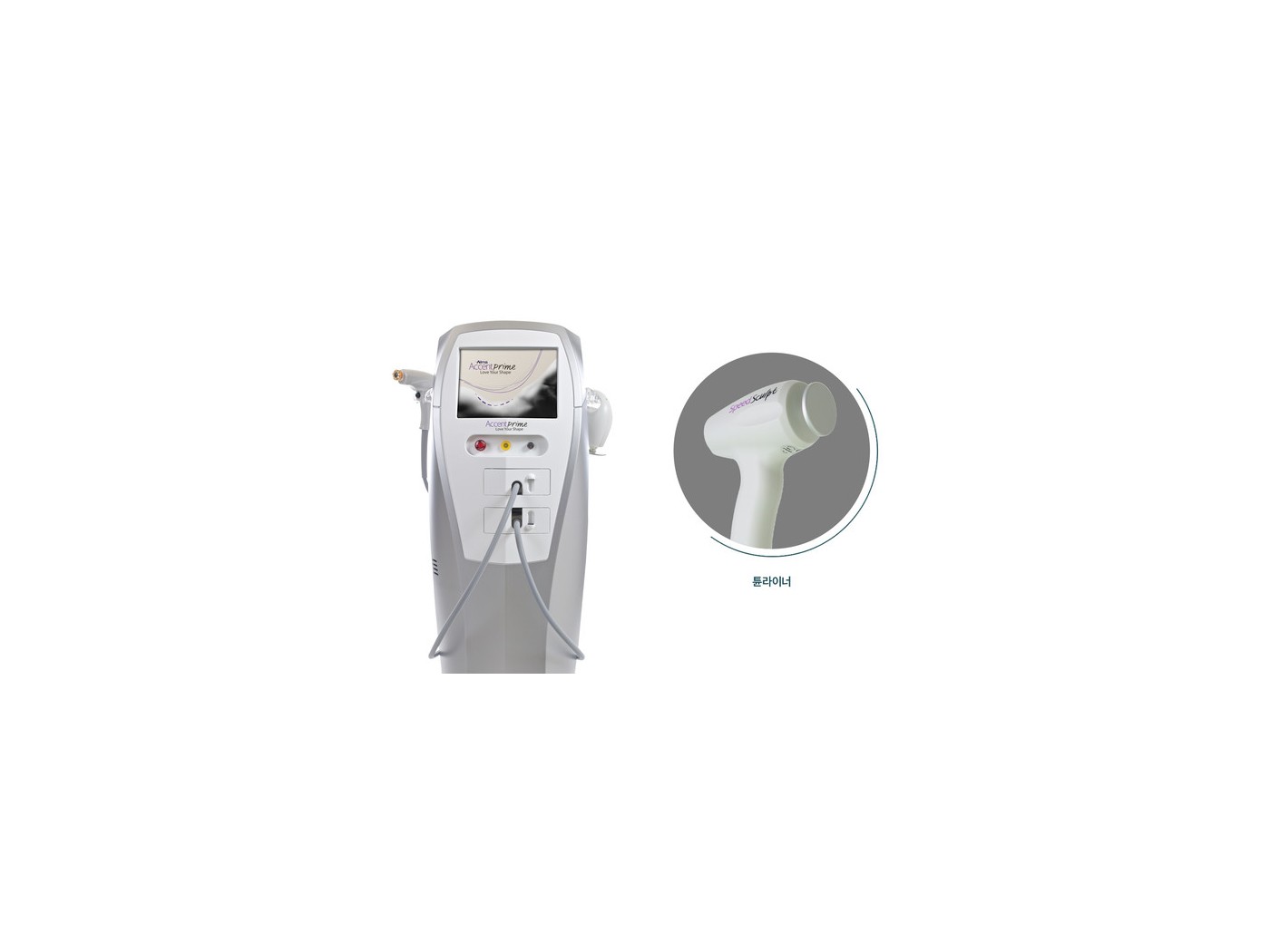
The most popular entry point for skin tightening body Korea treatments is energy-based technology. High-Intensity Focused Ultrasound (HIFU), marketed under brands such as Ulthera and Doublo, delivers focused energy deep into the dermis and SMAS layer to stimulate collagen production. Radiofrequency (RF) devices — including Thermage FLX, Inmode Morpheus8 (which uses microneedle RF), and Exilis Ultra — heat the deeper skin layers to contract existing collagen fibers and trigger new collagen synthesis. Most clinics also offer combination treatments where HIFU and RF are applied in the same session for synergistic tightening. A full-body HIFU session targeting abdomen, thighs, and arms typically takes 90 to 120 minutes. Results develop gradually over three to six months as new collagen forms, and most patients see optimal outcomes after two to three sessions spaced six to eight weeks apart.
Minimally Invasive Options: Thread Lifts for the Body
Thread lifting, widely associated with facial rejuvenation, has expanded in Korean clinics to address body areas such as the inner thigh, upper arm, and buttocks. PDO (polydioxanone) and PCL (polycaprolactone) threads are inserted under the skin to provide immediate mechanical lift while also stimulating a sustained collagen response. Downtime is minimal — most patients resume normal activity within two to three days — though mild swelling and bruising are common for the first week. This treatment is particularly popular among patients who want more immediate visible lift than energy devices alone provide but are not ready for surgical intervention.
Surgical Skin Tightening: Body Lift Procedures
For patients with significant skin laxity — especially following major weight loss of 30 kilograms or more — surgical options deliver the most definitive results. Procedures available at Korean plastic surgery clinics include the lower body lift, brachioplasty (arm lift), thigh lift, and abdominoplasty. These surgeries are performed under general or twilight anesthesia and require hospital stays of one to two nights in most cases. Full recovery typically ranges from four to six weeks, with patients advised to stay in Korea for a minimum of ten to fourteen days post-surgery for follow-up care and suture management.
Skin Tightening Body Korea: Price Ranges in KRW and USD
One of the primary motivations for international patients choosing Korea for skin tightening is the significant cost advantage compared to the United States, United Kingdom, or Australia. Below is a realistic pricing overview based on our research across multiple clinics. Note that prices vary depending on the area treated, device used, and clinic tier. Worth checking
Non-Invasive Treatment Costs
A single HIFU session targeting one body area (e.g., abdomen) typically ranges from ₩300,000 to ₩600,000 (approximately USD $220 to $440). Full-body or multi-area HIFU packages — covering abdomen, thighs, arms, and flanks — are priced between ₩1,200,000 and ₩2,500,000 (USD $880 to $1,830). Thermage FLX for the body runs from ₩800,000 to ₩2,000,000 per session (USD $585 to $1,460) depending on the number of treatment pulses. Morpheus8 microneedle RF body sessions are priced at ₩500,000 to ₩1,200,000 per area (USD $365 to $880).
Minimally Invasive and Surgical Costs
PDO thread lift for the body (e.g., inner thigh or upper arm) ranges from ₩400,000 to ₩1,000,000 per area (USD $290 to $730). Surgical procedures represent a larger investment: abdominoplasty (tummy tuck) is typically priced from ₩4,000,000 to ₩10,000,000 (USD $2,920 to $7,300); a lower body lift ranges from ₩8,000,000 to ₩18,000,000 (USD $5,840 to $13,150); and arm lift surgery runs from ₩3,500,000 to ₩7,000,000 (USD $2,560 to $5,115). These figures represent clinic fees only — hospital stay, anesthesia, and post-operative garments are often additional.
Typical Treatment Journey for Non-Surgical Patients
International patients pursuing non-surgical skin tightening body Korea treatments generally plan a five to seven day visit to Seoul. Day one is typically reserved for in-person consultations at one to two clinics. The actual treatment session takes place on day two or three. The remaining days allow for any mild post-treatment swelling or redness to resolve, and most patients feel comfortable sightseeing or working remotely within 24 to 48 hours of energy-based treatments. Follow-up sessions, if required, can often be scheduled in a return visit or coordinated with a local clinic at home for continued maintenance.
Recovery Planning for Surgical Patients
Patients undergoing surgical skin tightening procedures should plan to remain in Korea for a minimum of fourteen days. The first two to three days post-surgery involve managed care at the clinic or a partnered recovery accommodation. Compression garments are worn continuously for four to six weeks. Final scarring and contour results typically mature at six to twelve months post-surgery. Most Korean clinics provide detailed aftercare documentation in English, and many offer telemedicine follow-up consultations for international patients after they return home.
What to Know Before You Book
Based on firsthand clinic research across Seoul’s top aesthetic districts, here are the most important practical considerations for international patients planning skin tightening body Korea treatments.
Always ask to see the device manufacturer’s certification and confirm the specific model being used (e.g., Thermage FLX vs. older CPT version) before committing.
Get a written treatment plan: Based on our research across multiple Gangnam clinics, reputable providers will issue a written consultation summary outlining the devices, number of shots or pulses, and the areas to be treated. This protects you and ensures consistency across sessions.
Request an itemized breakdown and confirm whether follow-up sessions are included or priced separately.
Allow adequate time between consultations and treatment: Arriving a day before your scheduled treatment allows you to consult in person, ask questions without time pressure, and make an informed decision rather than feeling rushed by travel schedules.
Check for English-language support: Most premium Gangnam clinics employ dedicated medical coordinators who speak English fluently and can liaise between you and the treating physician. Confirm this service is available before booking, especially for surgical consultations where precise communication is critical.
How many sessions of HIFU or RF body tightening will I need?
Most patients see meaningful improvement after a single well-executed HIFU or RF session, but clinicians in Korea typically recommend two to three sessions spaced six to eight weeks apart for optimal collagen remodeling. Patients with moderate to severe skin laxity may require more sessions or a combination approach. A thorough in-person consultation will give you the most accurate protocol recommendation.
Can I combine skin tightening with fat reduction treatments in the same trip?
Absolutely — this is one of the most popular combination approaches at Korean clinics. Many patients combine CoolSculpting or HIFU lipolysis for fat reduction with RF skin tightening in a single treatment session or across consecutive days.
What is the best time of year to visit Korea for skin tightening treatments?
Fall and winter months (October through February) are generally preferred for energy-based body treatments because patients are less exposed to intense sun, which can affect skin sensitivity post-treatment. However, Korean clinics operate year-round and can accommodate patients in any season with appropriate sun protection protocols. Many patients find spring visits comfortable as the weather is mild and recovery is easier in cooler temperatures.
Will I see results before leaving Korea?
For non-surgical treatments such as HIFU and RF, immediate post-treatment skin firmness is often noticeable due to initial tissue contraction, but the primary collagen-building results develop over three to six months. Surgical patients will see early reshaping results before discharge, though final outcomes mature over many months.
Are Korean skin tightening clinics accredited internationally?
Several leading Korean hospitals and clinic groups hold international accreditation or operate under globally recognized quality standards. The Korea Health Industry Development Institute actively promotes medical tourism quality benchmarks. When researching clinics, look for affiliations with recognized professional bodies and ask directly about their international patient volume and experience.
If you found this guide helpful, explore these related resources for international patients planning body treatment in Korea:.
- Body Contouring Korea: Complete Patient Guide
- Body Sculpting Korea: What International Patients Need to Know
- Emsculpt Korea: Costs, Clinics, and Patient Guide
- Body Shaping Clinic Seoul: How to Choose the Right One
- Body Sculpting Seoul for Foreigners: A Practical Overview
Medical Disclaimer: This article is for informational purposes only and does not constitute medical advice. Always consult a qualified healthcare professional before undergoing any medical procedure. Individual results and recovery times may vary.
About This Guide: Researched and written by the editorial team at Body Sculpting Korea, a resource dedicated to helping international patients navigate Korea medical tourism with accurate, up-to-date information sourced from official Korean health authorities and direct clinic consultations.
External Resources
Explore other expert guides:.
 HOMMAGEBody Sculpting · Women's Care